
Final Fantasy VII Rebirth Review: An Epic Evolution of a JRPG Masterpiece on PS5










Popular Now
 Geometry Dash
 Auto X Drift Racing 3
 BeamNG.drive
 Counter-Strike 2
 Genshin Impact
 FIFA 23
 Free Fire Max
 Black Myth: Wukong
 Grand Theft Auto V
 Brawl Stars
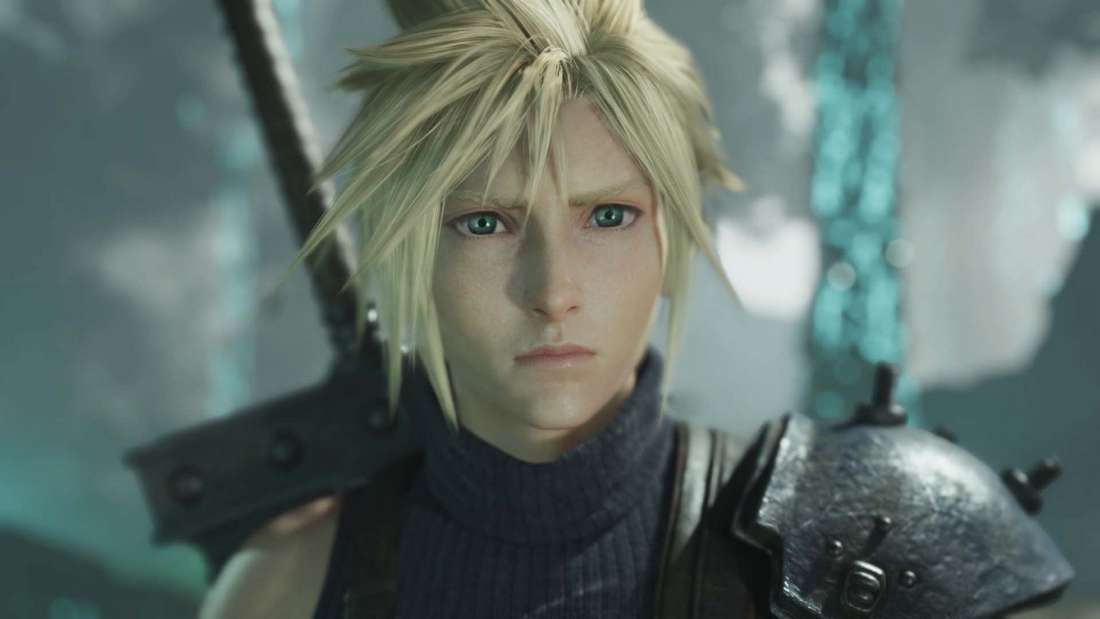
The saga continues, and with it, an undeniable shift in the landscape of modern JRPGs. Final Fantasy VII Rebirth, the highly anticipated second installment in the Final Fantasy VII Remake project, has finally arrived, exclusively on PlayStation 5. Picking up immediately after the climactic events of Final Fantasy VII Remake, Rebirth plunges players into the vast, unexplored world beyond Midgar, promising an unprecedented expansion of the beloved narrative. This isn’t merely a continuation; it’s a profound re-imagining that seeks to honor the original while boldly forging its own path, offering a breathtaking blend of nostalgia and innovation. As fans and critics alike scrutinize every detail, the question arises: does Rebirth not only live up to the immense hype but also redefine what a modern RPG can be?
Gameplay Mechanics: Freedom Beyond Midgar and Evolved Combat
One of Rebirth’s most significant departures from its predecessor is the introduction of vast, semi-open-world regions. Gone are the linear corridors of Midgar, replaced by expansive zones like the Grasslands, Junon region, and Corel Desert, each brimming with secrets, side quests, and unique environmental challenges. Exploration feels genuinely rewarding, with Chocobos for traversal, a robust crafting system via the Item Transmuter, and a plethora of mini-games that range from addictive card battles in ‘Queen’s Blood’ to surprisingly deep piano sessions. These elements don’t just add fluff; they enrich the world, making it feel alive and worth exploring. The core gameplay loop benefits immensely from this freedom, providing a refreshing pace that balances intense narrative moments with periods of discovery and lighthearted diversions.
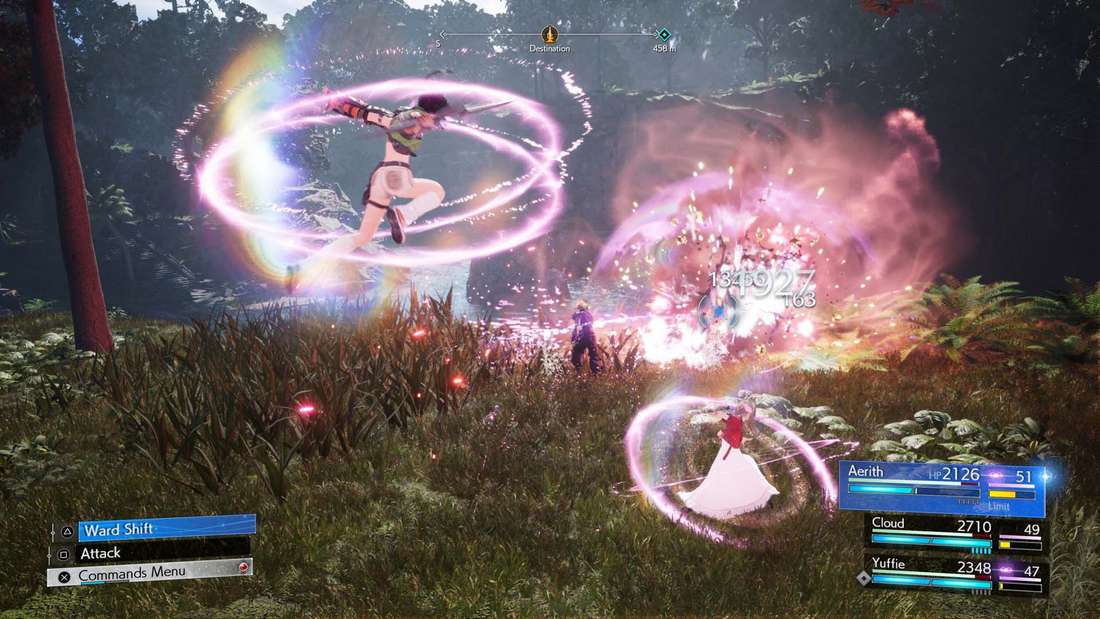
The combat system, a refined version of Remake’s action-RPG hybrid, is nothing short of spectacular. It maintains the real-time action with strategic ATB (Active Time Battle) command system, allowing for dynamic character switching and tactical spell casting. However, Rebirth introduces ‘Synergy Abilities’ and ‘Synergy Skills’ – powerful, co-operative attacks that require two characters to execute, consuming ATB charges. These additions inject a new layer of strategic depth, encouraging players to experiment with party compositions and master the timing of these devastating dual attacks. Each character feels distinct, with unique abilities and playstyles that genuinely matter in higher-difficulty encounters. Mastering the combat requires understanding enemy weaknesses, precise dodging, and effective use of Limit Breaks and Summons, making every battle a thrilling test of skill and planning. The responsiveness of the controls and the fluidity of animations further elevate this already exceptional combat experience, solidifying Rebirth’s position as a benchmark for action-RPG combat.
 Story and Characters: A Journey of Self-Discovery and Destiny
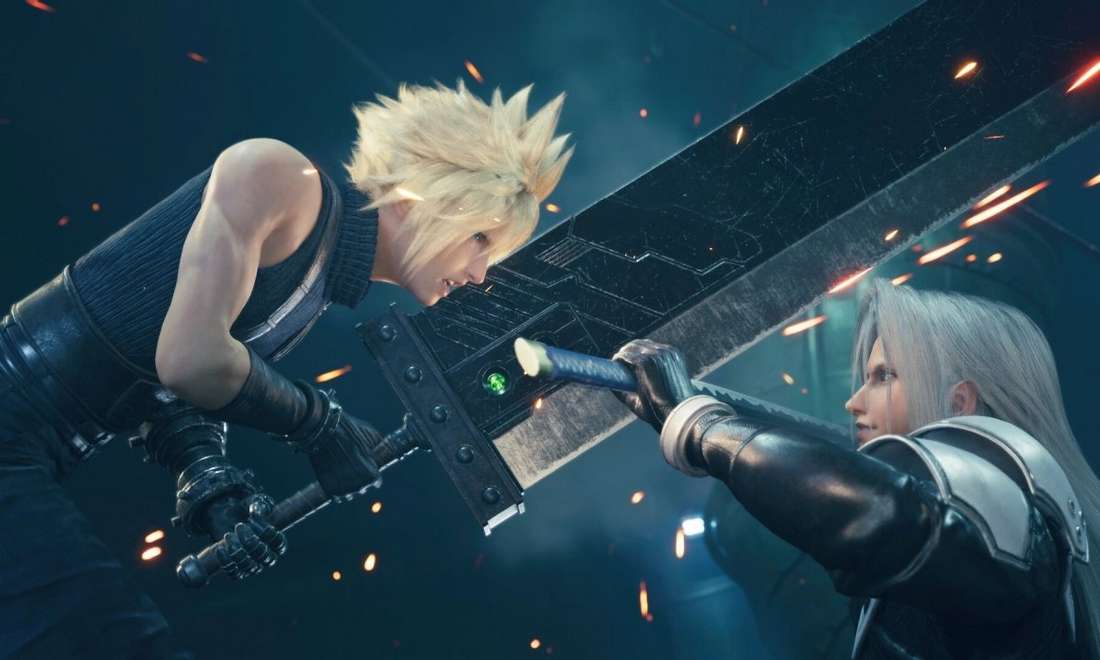
The narrative thrust of Final Fantasy VII Rebirth is undoubtedly its beating heart. Following Cloud Strife and his companions—Barret, Tifa, Aerith, Red XIII, and newcomers Yuffie and Cait Sith—as they hunt Sephiroth, the story delves deeper into the lore of Gaia, the mysteries of the Planet, and the complex relationships within the party. Rebirth excels in its character development, offering numerous optional scenes and side quests that flesh out each member’s personality, motivations, and insecurities. These moments are crucial, adding emotional weight to an already poignant narrative. The dialogue is sharp, often humorous, and always contributes to building a stronger connection with the beloved cast.
However, the narrative also takes bold liberties, expanding upon and diverging from the original game’s plot in significant ways. While many of these changes enhance the story, providing new perspectives and intriguing twists, some purists may find the alterations challenging. The game masterfully balances its homage to the classic while introducing fresh dilemmas and prophecies that keep players on the edge of their seats. The themes of destiny, free will, environmentalism, and the trauma of the past are explored with maturity and nuance, resonating deeply. The journey is not just a physical one across Gaia, but an emotional odyssey for each character, grappling with their purpose in a world on the brink of ecological collapse and existential threat. This intricate storytelling, combined with high-stakes dramatic moments, cements Rebirth as a narrative tour de force.
World Design, Graphics, and Artistic Vision
Visually, Final Fantasy VII Rebirth is a triumph. Running natively on PlayStation 5, the game pushes the boundaries of graphical fidelity. Character models are incredibly detailed, displaying nuanced facial expressions and intricate costume designs that bring them to life. Environmental design is equally impressive; from the vibrant flora of the Grasslands to the desolate beauty of the Corel Desert and the sprawling industrial complexes, each area is meticulously crafted. The draw distances are vast, and the sheer scale of some locations is breathtaking, truly making you feel like you are traversing a living, breathing world. The art direction is consistently outstanding, blending realistic textures with the series’ signature fantastical elements seamlessly. The use of lighting and particle effects further enhances the visual spectacle, especially during combat and cinematic sequences.
While the game generally maintains a high level of visual polish, there are occasional instances of texture pop-in or slight dips in frame rate in dense areas, particularly when toggling between the ‘Graphics’ and ‘Performance’ modes. The ‘Graphics’ mode prioritizes resolution and visual quality at 30fps, while ‘Performance’ aims for a smoother 60fps experience, albeit with some visual compromises. These minor technical hitches are infrequent and do not significantly detract from the overall stunning presentation. For those seeking a truly immersive visual experience, Rebirth stands as one of the most graphically impressive titles on the current generation of consoles, making it a powerful testament to the capabilities of the PS5.
 Sound Design and Iconic Soundtrack
The auditory experience in Rebirth is as meticulously crafted as its visuals. Masashi Hamauzu, Mitsuto Suzuki, and Nobuo Uematsu’s contributions to the soundtrack are phenomenal, seamlessly blending iconic melodies from the original with fresh orchestrations and entirely new compositions. Each region, battle, and emotional beat is perfectly underscored by music that evokes powerful feelings of adventure, tension, or melancholy. The dynamic nature of the soundtrack, shifting seamlessly during exploration and combat, significantly enhances immersion. The voice acting across the entire cast is superb, with actors delivering nuanced performances that elevate the emotional weight of key scenes. Sound effects are punchy and satisfying, from the clang of swords to the roar of a summon, adding an additional layer of impact to every action. The audio design truly completes the package, cementing Rebirth’s place as a high-production value title.
Performance and Technical Aspects
Running exclusively on the PlayStation 5, Final Fantasy VII Rebirth leverages the console’s capabilities to deliver a largely smooth experience. As mentioned, players can choose between ‘Graphics Mode’ (30fps with higher resolution) and ‘Performance Mode’ (60fps with slightly lower resolution). While the ‘Performance Mode’ might occasionally show some minor visual artifacts or softer textures compared to the ‘Graphics Mode,’ the smoother frame rate is often preferred for combat-heavy sequences, providing a more responsive and fluid experience. Loading times are remarkably fast, thanks to the PS5’s SSD, ensuring that transitions between areas and cinematics are virtually seamless. Patches have addressed some initial concerns regarding texture quality in ‘Performance Mode,’ demonstrating Square Enix’s commitment to optimizing the player experience. Despite minor imperfections, the overall technical execution is solid, offering a robust and stable platform for this expansive journey.
Key Strengths: Why Rebirth Shines
- Expansive World & Rewarding Exploration: The shift to semi-open zones invigorates the experience.
- Refined & Deep Combat System: Synergy abilities add significant strategic layers.
- Stellar Character Development: Emotional depth for both new and returning characters.
- Breathtaking Graphics & Art Direction: A visual showcase for the PS5.
- Masterful Soundtrack: A perfect blend of nostalgia and new compositions.
- Engaging Side Content & Mini-Games: Adds immense value and replayability.
Areas for Improvement: Minor Flaws in a Grand Design
- Pacing Issues: Some players might find the sheer volume of side content can occasionally disrupt the main narrative flow.
- Narrative Divergences: While bold, some story changes may not appeal to all purists of the original.
- Minor Technical Glitches: Occasional texture pop-in or slight frame drops, particularly in ‘Performance Mode’ pre-patch, though largely mitigated.
Conclusion: An Essential JRPG Experience
Final Fantasy VII Rebirth is not just a sequel; it’s a monumental achievement in modern gaming, setting a new benchmark for JRPGs. It successfully expands upon an already rich universe, delivering a narrative that is both faithful to its roots and unafraid to innovate. The journey across Gaia is filled with breathtaking vistas, exhilarating combat, and deeply emotional character moments that will stay with players long after the credits roll. While its ambitious scope occasionally introduces minor pacing quirks or technical imperfections, these are mere footnotes in an otherwise epic adventure.
For fans of the original, for newcomers looking for a compelling RPG, and for anyone seeking a truly grand, high-quality gaming experience, Final Fantasy VII Rebirth is an absolute must-play. It solidifies its place not only as a worthy successor but as a standalone masterpiece that elevates the Final Fantasy legacy. The anticipation for the final chapter will be immense, but for now, players have an unforgettable world to explore and a story that continues to captivate. This game is more than just a title; it’s a testament to the enduring power of storytelling and interactive entertainment, making it an essential purchase for any PlayStation 5 owner.
Final Score: 9.5/10