
King of Meat: Unpacking the Co-op Potential and Hurdles for a New Multiplayer Sensation








Popular Now
 Genshin Impact
 Rust
Rust
 R.E.P.O
 The Legend of Zelda
 Auto X Drift Racing 3
 Fortnite
 Brawl Stars
 Warframe
 EA SPORT FC 25
 NBA 2K24
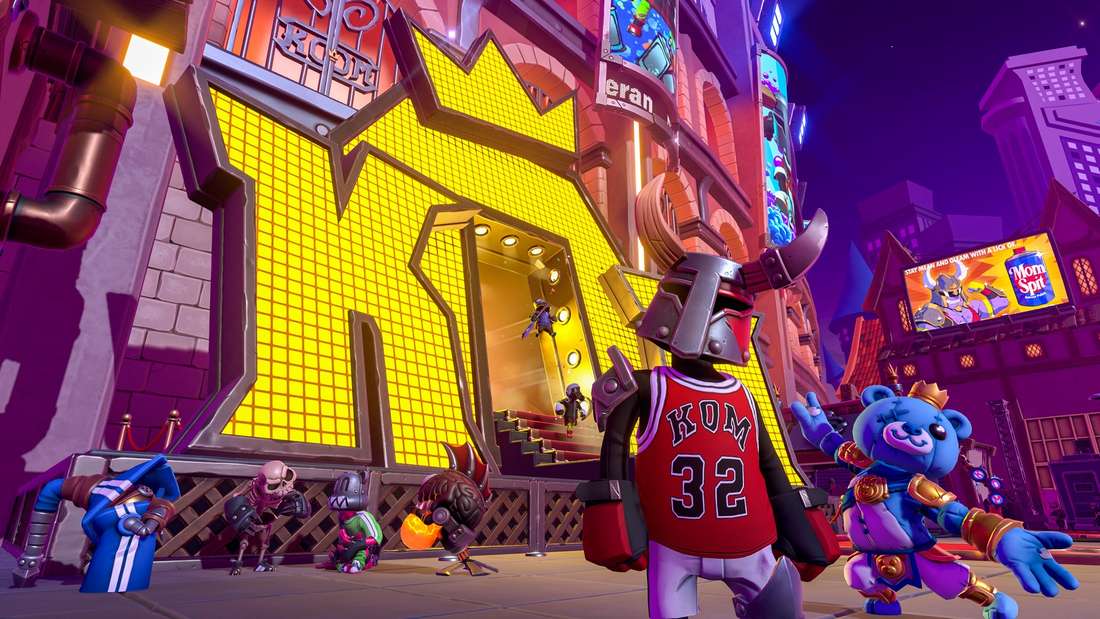
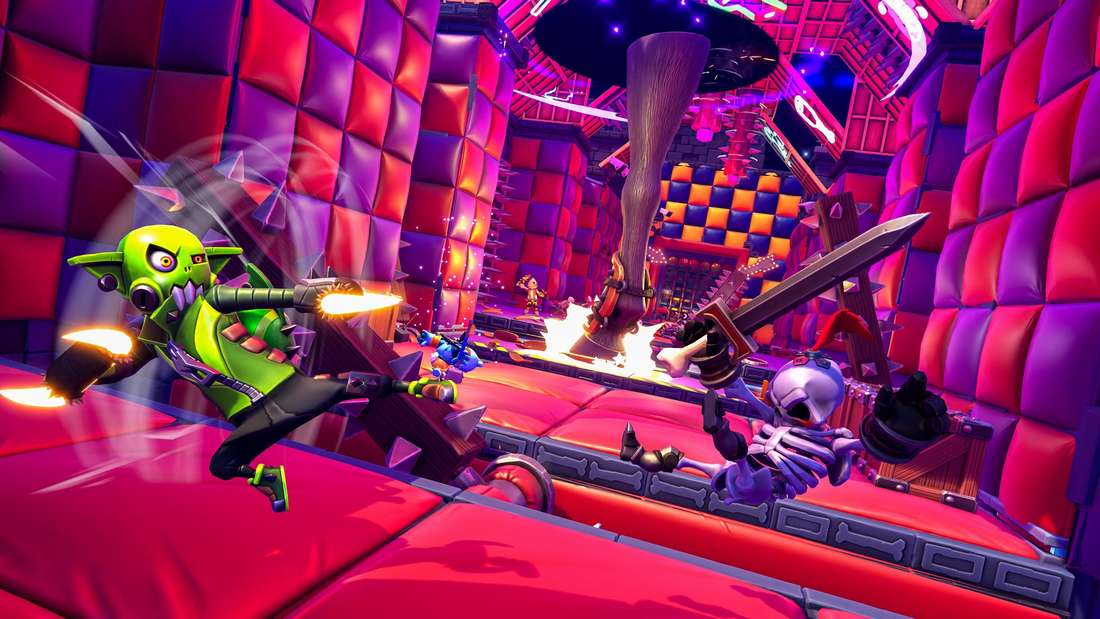 King of Meat, the co-op party platformer from developer Glowmade and publisher Amazon Games, has launched with a premise ripe for multiplayer success: a chaotic, gladiator-style survival game show set in the fantastical world of Loregok. Pitting up to four players against official and community-built dungeons filled with traps, puzzles, and enemies, the game attempts to blend the accessible fun of a party game with the depth of a brawler and a user-generated content (UGC) sandbox. The key to its sensation status hinges on whether its co-op potential can overcome specific design and logistical hurdles.
The Potential: Creative Co-op and UGC Backbone
The core strength of King of Meat lies in its unique combination of genres and its emphasis on player creativity, hitting on several high-CPC keywords in the current gaming landscape: party platformer, co-op builder, and live-service gaming.
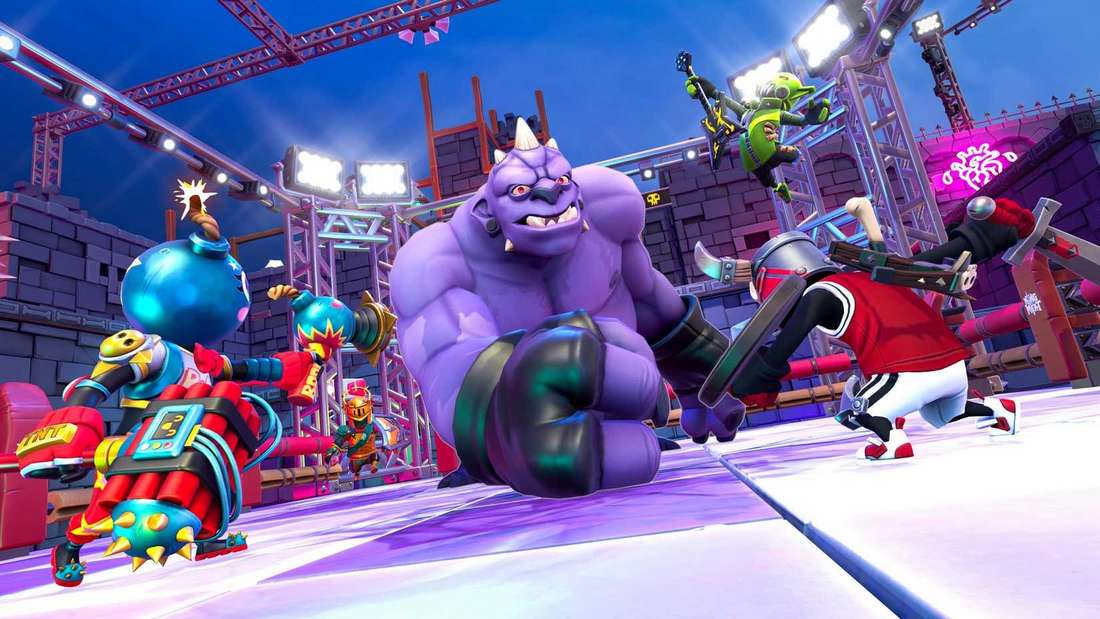
- Creative Co-op Combat: The combat system is simple to pick up, featuring basic and special attacks, ranged weapons, and over-the-top “Glory Moves.” While the mechanics are not deeply complex, the cooperative element excels in the sheer chaos. Success often depends on players working together to shove enemies into traps or utilize environmental explosives, which rewards spontaneous teamwork and generates viral, entertaining gameplay moments.
- The Dungeon Creator: This is the game’s ultimate innovation. The fact that “If you can play it, you can build it” means every official dungeon was made using the same intuitive Create Mode available to players. This UGC feature positions the community as the primary engine of content. A vast, active community creating inventive, challenging dungeons is essential for its long-term replayability and the creation of a true multiplayer “sensation,” similar to the enduring success of titles like Mario Maker and LittleBigPlanet.
- Co-opetition Focus: The game cleverly incorporates “co-opetition”—players work together to survive the dungeon but simultaneously compete for high scores, cosmetics, and leaderboard placements through style points and entertaining kills. This competitive layer provides a crucial element of rivalry and replay incentive absent in purely cooperative titles.
- Cross-Play and Customization: The inclusion of cross-play and cross-progression across PC and consoles removes platform barriers, maximizing the potential player base for the co-op experience. Furthermore, deep cosmetic customization ensures players can personalize their Contenders, appealing to the lucrative vanity-item live-service market.
 The Hurdles: Multiplayer Depth and Solo Play Deficits
Despite its promise, early reviews and community feedback highlight crucial challenges that could prevent King of Meat from achieving “sensation” status, particularly regarding gameplay depth and the overall experience outside of a full party.
- Shallow Core Combat: While chaotic fun, the combat system is often criticized for being too basic and repetitive. Reviewers note that beyond the environmental interactions, the hack-and-slash feel is generic. For a game aiming for long-term engagement, the lack of deeper skill trees or significantly differentiated weapon classes beyond minor perks limits the incentive for dedicated players to master the mechanics.
- Punitive Solo Experience: A major hurdle is the design’s reliance on a full 4-player party. The game’s puzzles and score thresholds are clearly balanced for multiplayer, making the Solo mode—which is meant to introduce the narrative and world—feel unbalanced and frustrating. The lack of a smooth, rewarding single-player experience may isolate players who struggle to consistently assemble a full group, a critical flaw for an online-only title.
- Need for a Vibrant UGC Community: The longevity of King of Meat rests entirely on the quality and volume of player-created dungeons. If the community fails to embrace the Create Mode, or if high-quality content is difficult to find, the game’s official content will quickly be exhausted. The publisher must prioritize promoting and curating the best UGC to sustain player engagement and retention.
- Technical Stability: As an online-only title, server stability and in-game performance are paramount. Early reports of mid-match crashes and laggy UI need to be swiftly addressed by the developers to maintain player trust and ensure the core multiplayer experience is smooth and reliable.
 Outlook: UGC is the Key to the Throne
King of Meat has successfully carved out a unique, visually distinctive niche in the co-op party genre. It excels at delivering chaotic, entertaining moments when played with a full party of friends, leveraging its humorous aesthetic and rewarding co-opetition. Ultimately, the game’s trajectory from a fun diversion to a lasting multiplayer sensation depends not on the official content, but on the success of the Dungeon Creation Mode. If the UGC community thrives and is effectively supported, the game has the potential to become a high-value, evergreen title. If not, it risks fading into the background of a competitive co-op market dominated by deeply established titles like Helldivers 2 and Deep Rock Galactic.