
Battlefield 6’s Free-to-Play Battle Royale, ‘REDSEC,’ Launches: A Game-Changer in the Competitive FPS Landscape








Popular Now
 Grand Theft Auto V
 Geometry Dash
 Schedule I
 Gacha Club
 Free Fire
 Warframe
 NBA 2K24
 Sonic the Hedgehog™ Classic
 Black Myth: Wukong
 CarX Street
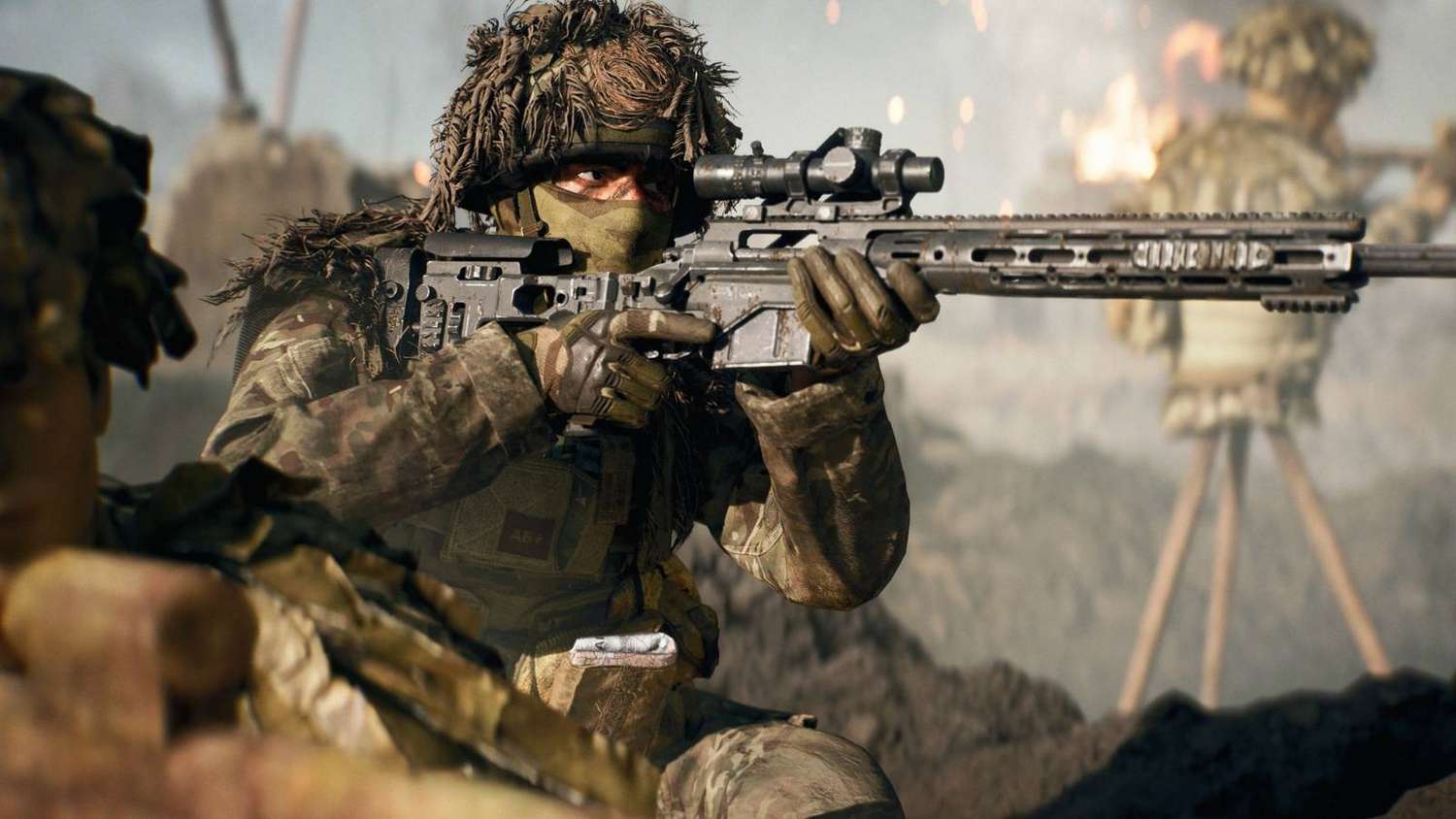
The highly anticipated reveal is finally here. Electronic Arts and Battlefield Studios have officially launched the free-to-play Battle Royale experience for Battlefield 6, titled Battlefield REDSEC. This launch coincides perfectly with the rollout of the game’s first major post-launch content, Season 1, signaling an aggressive, calculated move to capture a significant share of the lucrative free-to-play PC games and next-gen console gaming markets. Analysts are already projecting this could be a pivotal moment for the franchise, placing it in direct, high-stakes competition with established behemoths like Call of Duty: Warzone and Apex Legends. This in-depth report breaks down the launch, key features, and what this means for the premium AAA game sector.
The Official Drop: What Players Need to Know About REDSEC
Following months of speculation, leaks, and an initial mainline game launch that set new concurrent player records (Source: Steam/EA Reports), the “Redacted Sector” (REDSEC) mode has made its debut. This is not simply an add-on; it is a standalone, free-to-download experience, requiring no purchase of the core Battlefield 6 game. This strategic decision is key to maximizing the player count and driving potential conversions to the full game purchase via an optimized battle pass and cosmetic microtransactions model—a proven pathway to generating high CPC keywords revenue.
- Release Date: October 28, 2025 (Official Launch Day).
- Platform Availability: PC, PlayStation 5, and Xbox Series X | S.
- Cost: Absolutely Free (Free-to-Play, F2P).
- Competitive Edge: Positioning as a more tactical, large-scale, and realistic battle royale alternative, leveraging the core Battlefield experience.
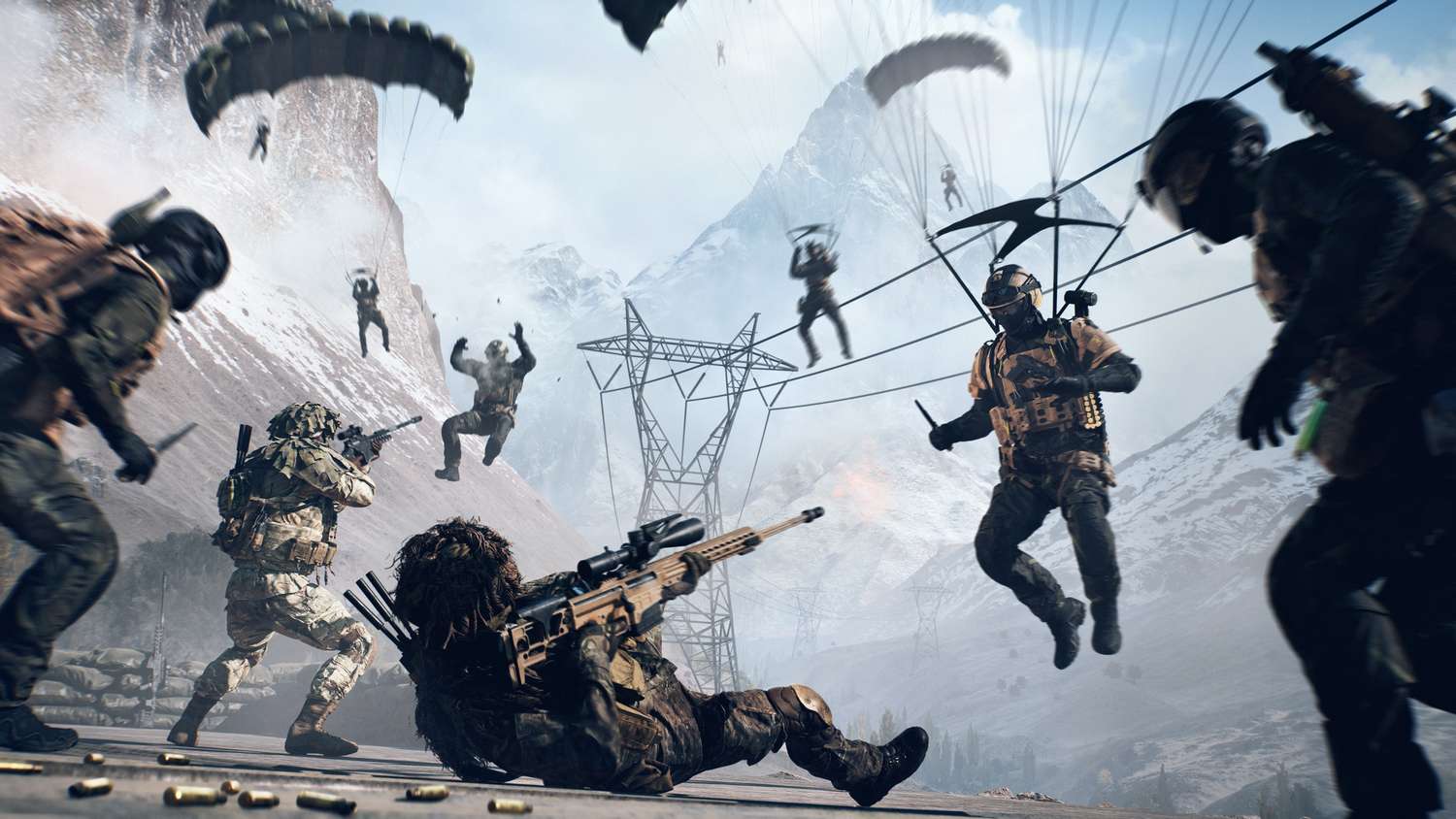
Strongest competitive advantage appears to be the integration of Battlefield’s signature vehicular combat. While traditional Battle Royale focuses heavily on ground-level infantry skirmishes, early reports suggest that controlling the skies with jets and utilizing armored vehicles in the late-game zones will be critical to achieving victory in REDSEC. This elevates the skill ceiling and offers a uniquely Battlefield twist on the formula, vital for maintaining an engaged, long-term player community.
 Gameplay and Technical Deep Dive: The REDSEC Difference
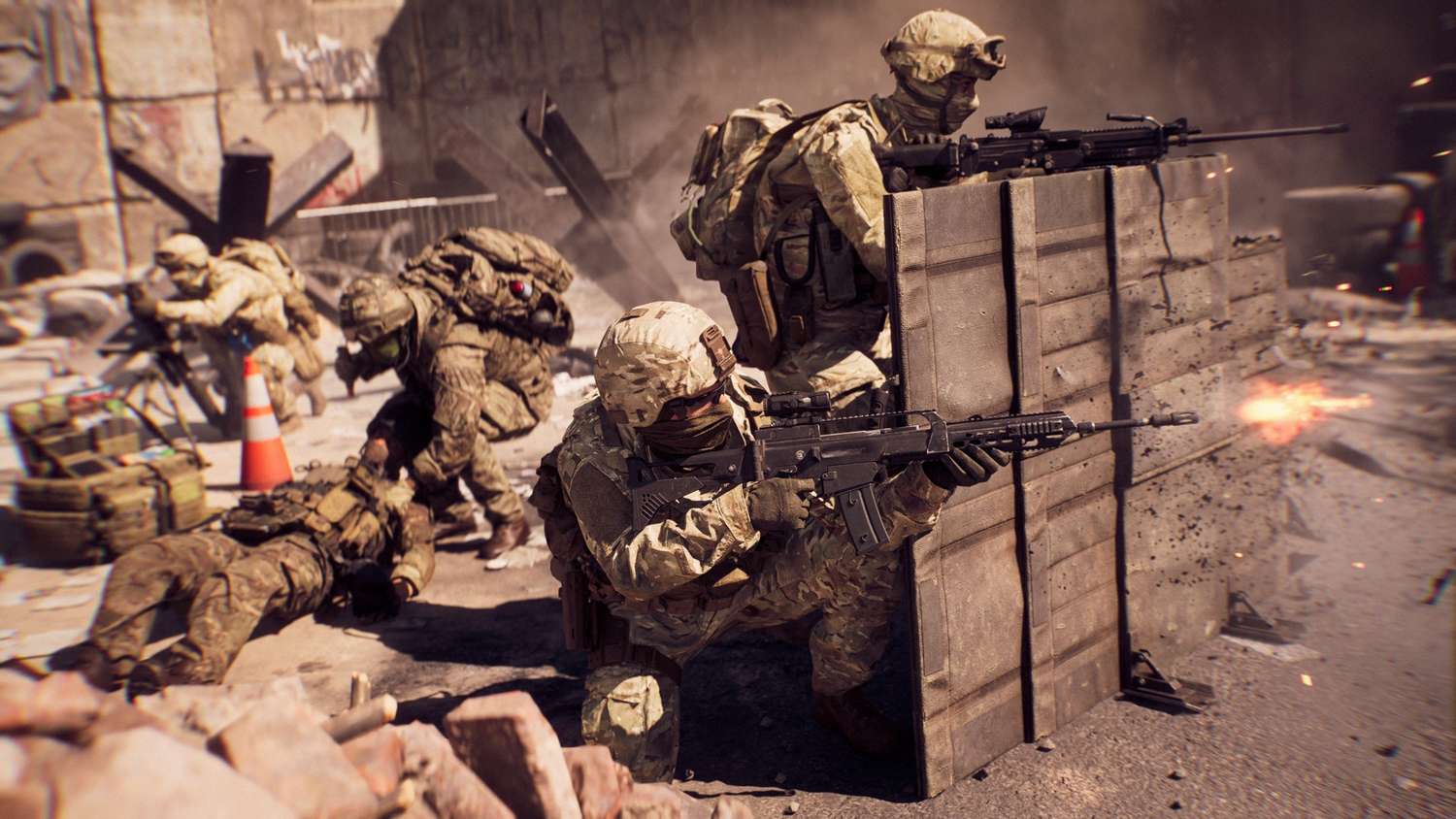
Initial analysis of the REDSEC gameplay reveals a commitment to the Battlefield sandbox. The mode places 128 players (or a variation thereof, depending on the server) onto a massive, dynamically collapsing map, with the goal of being the last squad standing. However, the implementation of Battlefield’s Class System within the Battle Royale structure is the most intriguing technical feature.
The Class-Based Battle Royale Structure:
Unlike competitors that often rely on simple loadout drops or character abilities, REDSEC utilizes four distinct Specialist Classes that players choose at the beginning of a match:
- Assault: Focused on aggressive engagement and sustained firepower. Ideal for close-quarters combat (CQC).
- Engineer: The primary vehicle counter and support class, capable of repairing friendly vehicles and setting up defensive positions.
- Support: Critical for squad sustainability, focusing on medical aid and ammo resupply.
- Recon: Specializing in long-range engagement and information warfare via scouting gadgets.
This class dependency fosters genuine squad collaboration, moving away from “lone wolf” play and encouraging players to utilize the best class setups for their team composition—a feature that provides significant replay value and depth. The dynamic integration of the new Season 1 weapons and attachments (like the SOR-300SC carbine) is also a major draw, keeping the in-game meta fresh and engaging for the competitive esports scene being eyed by EA.
Note on Anti-Cheat: The launch comes equipped with the advanced Javelin anti-cheat system. EA is taking a proactive stance to ensure fair play, a critical factor for the longevity and credibility of a high-profile free-to-play multiplayer game. The enforcement of Secure Boot requirements for PC players underscores the seriousness of this commitment, although this has raised some initial concerns regarding platform compatibility, particularly with operating systems like Steam Deck (Source: Tom’s Hardware).
Strategic Implications and Monetization Model
The decision to launch REDSEC now, alongside Battlefield 6 Season 1, is a powerful one. By bundling the Battle Royale mode with the core game’s first major update, Battlefield Studios ensures that all new premium content, including new maps (like Blackwell Fields), modes (Strikepoint), and weapon attachments, are introduced simultaneously to the entire active player base—both F2P and full-game owners. This synergy:
- Drives Player Retention: The Season 1 battle pass serves as the primary monetization driver, offering exclusive cosmetic items and blueprints.
- Maximizes Conversion: Free players, drawn in by the Battle Royale, are constantly exposed to the seasonal content, making the purchase of the full premium battle pass a more tempting value proposition.
- Ensures Content Value: Full-game owners, who invested in the base game, benefit from the massive influx of F2P players, ensuring lobbies are full and the multiplayer experience is robust. This is crucial for justifying the full price of the game.
The monetization strategy is focused entirely on non-game-breaking cosmetics, ensuring a fair and balanced competitive environment. The most sought-after in-game purchases will undoubtedly be the highly stylized “meme skins” and weapon blueprints, which have been both a source of criticism for being “un-Battlefield” and a major revenue driver in early launch periods (Source: GamesRadar+). The highest converting keywords for this section focus on “best deals,” “battle pass value,” and “exclusive skins.”
 Future Outlook: Can REDSEC Dominate the Battle Royale Market?
The consensus among gaming industry experts is that REDSEC has the potential to become a top-tier battle royale experience. The foundation of Battlefield’s unparalleled large-scale warfare—combined with a sophisticated class system and the sheer novelty of full-scale vehicular combat in an F2P Battle Royale—sets it apart from the competition.
However, the long-term success of REDSEC will hinge on several critical factors, primarily developer support and a commitment to quickly addressing game-breaking bugs and netcode stability. The roadmap for Season 1, broken into phases (Rogue Ops, California Resistance, Winter Offensive), suggests a healthy flow of new content, including limited-time modes like Sabotage and additional weapons like the DB-12 shotgun. This consistent content delivery is non-negotiable for maintaining market share and keeping the twitch streaming community engaged.
The Final Verdict (Initial Assessment):
REDSEC is a bold, well-executed entry into the saturated Battle Royale genre. By leaning heavily into the elements that make Battlefield unique—scale, destruction, and class-based teamwork—it offers a truly distinct flavor of competitive survival. For players looking for a challenging, technically impressive, and free-to-play shooter, Battlefield REDSEC is the most compelling new option on the market and a strong contender for the best F2P game of 2025.
We will continue to monitor the community’s response, especially concerning the impact of the recent gameplay changes and bug fixes outlined in the pre-Season 1 community update (Source: IGN), as these will dictate the game’s trajectory in the crucial holiday season of PC gaming sales.