
Highway Hero: Truck Tycoon Shifts into Soft Launch – Charting the Course for Mobile Management Simulation










Popular Now
 Grand Theft Auto V
Geometry Dash
Grand Theft Auto V
Geometry Dash
 EA SPORT FC 25
 Among Us
 League of Legends
 Garena Free Fire: Kalahari
 Call of Duty
 Candy Crush Saga
 NBA 2K24
 FIFA 23
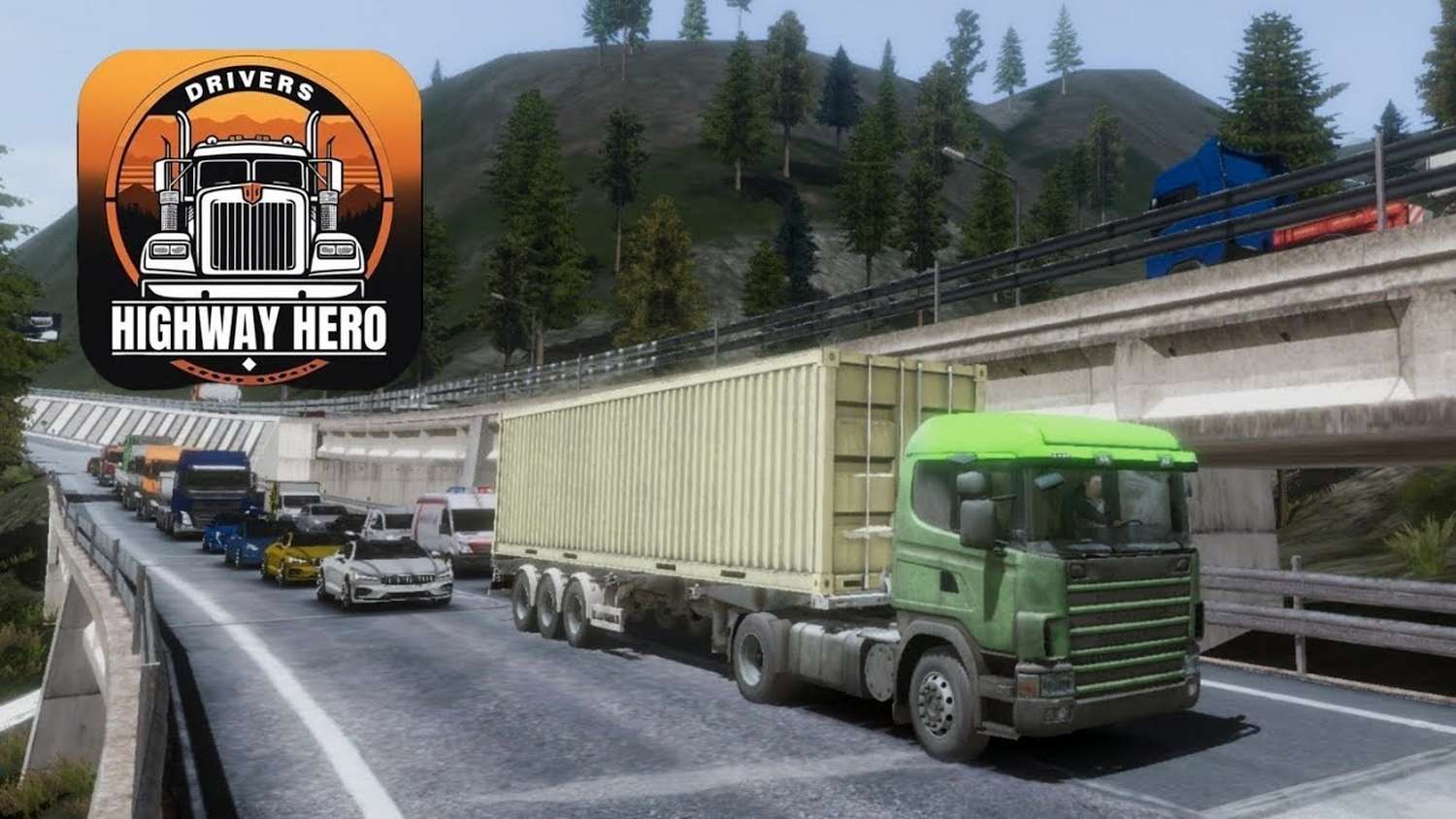
The mobile gaming landscape is constantly evolving, with a growing demand for sophisticated simulation and management titles that offer depth beyond casual gameplay. Enthusiasts of strategic business management and logistics simulation are now turning their attention to the recent soft launch of Highway Hero: Truck Tycoon. This highly anticipated management sim has begun its initial rollout in select regions, allowing a curated audience to experience its robust gameplay loop and provide crucial feedback before a global release. Industry observers and dedicated gamers are keen to assess whether this title can deliver on its promise of an immersive trucking empire experience, challenging players with complex supply chain optimization and strategic fleet management.
Developed with an eye towards detailed operational efficiency and revenue growth strategies, Highway Hero: Truck Tycoon aims to distinguish itself in a crowded market. Unlike many arcade-style trucking games, this simulation delves into the intricacies of building and maintaining a successful transport enterprise from the ground up. Players will not only manage a fleet of vehicles but also navigate the challenging economic currents, making astute investment opportunities and optimizing every aspect of their digital trucking business. The soft launch phase is critical for fine-tuning game mechanics, balancing the in-game economy, and ensuring a polished user experience that resonates with its target demographic seeking deep, engaging mobile strategy.
Building a Logistics Empire: Core Gameplay Mechanics
At its heart, Highway Hero: Truck Tycoon is an economic simulation that places players in the role of a burgeoning logistics magnate. The core gameplay revolves around a multifaceted approach to business expansion, requiring strategic planning and an acute understanding of market dynamics. From the initial acquisition of a single truck to the establishment of a sprawling global logistics network, every decision carries weight and impacts the overall profitability and operational efficiency of the enterprise.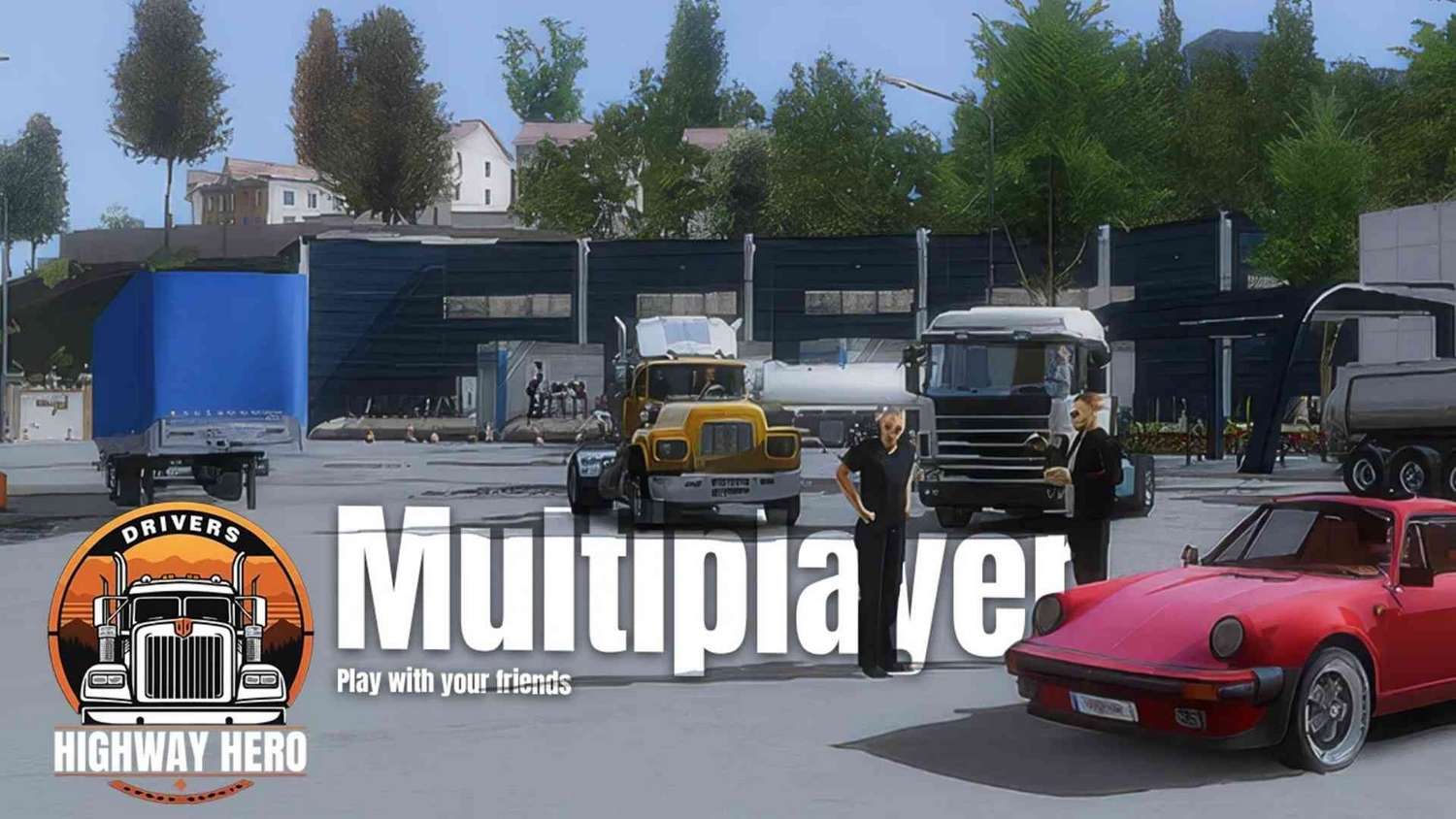
- Fleet Acquisition and Upgrades: Players will invest in a diverse range of trucks, each with unique specifications, fuel efficiency, and maintenance requirements. Upgrading engines, chassis, and cargo capacity will be crucial for handling higher-value cargo and expanding delivery routes.
- Route Optimization and Cargo Management: A significant portion of the strategy involves meticulously planning delivery routes, considering factors such as road conditions, fuel costs, tolls, and time sensitivity. Players must identify profitable contracts, manage diverse cargo types—including fragile or high-risk goods—and ensure timely delivery to maximize profit margins.
- Driver Recruitment and Management: Beyond machinery, human resources play a vital role. Hiring skilled drivers, managing their schedules, and investing in their training to improve performance and safety records are essential for sustained growth and avoiding costly operational setbacks.
- Infrastructure Development: Expanding the trucking empire involves more than just vehicles. Players will be able to construct and upgrade depots, maintenance facilities, fuel stations, and even research centers to unlock advanced technologies and streamline operations, enhancing their competitive advantage.
- Economic Simulation and Market Fluctuations: The game features a dynamic in-game economy where supply and demand dictate cargo prices and market trends. Successful tycoons will continuously monitor market analysis, adapt their strategies to capitalize on profitable opportunities, and mitigate risks associated with economic downturns or unforeseen events.
- Strategic Investments and Expansion: As the business grows, players can explore strategic investments, expand into new regions, and even engage in mergers and acquisitions to dominate the global transport sector. This aspect introduces elements of long-term business acumen and financial management.
The Significance of Soft Launch in Mobile Gaming Innovation
The soft launch period for Highway Hero: Truck Tycoon is more than just an early access program; it’s a critical development phase that allows the creators to gather real-world data and player feedback from specific markets. This iterative process is invaluable for identifying bugs, assessing server stability, and fine-tuning game balance before the widespread global rollout. For players in the select regions, it offers an exclusive opportunity to influence the game’s final form, contributing to a more refined and enjoyable experience for millions upon full release.
During this period, developers typically focus on several key metrics: player retention rates, engagement levels, monetization efficacy, and overall game performance across various devices. The insights gained are instrumental in making data-driven decisions regarding feature prioritization, content updates, and critical adjustments to the free-to-play monetization model. This meticulous approach ensures that when the game officially launches worldwide, it meets the high expectations of the mobile gaming community and stands a strong chance of securing a prominent position in the digital economy simulation genre.
Monetization Strategies and Free-to-Play Viability
As a free-to-play mobile title, Highway Hero: Truck Tycoon is expected to incorporate various monetization mechanics. While specifics will emerge from the soft launch data, typical strategies in this genre include in-app purchases for premium currency, cosmetic upgrades for trucks and depots, and possibly time-saving boosters or VIP subscriptions.