
Horror’s Bold New Dream: Nightmare on Elm Street 3 Director Endorses Jim Carrey as Next Freddy Krueger—With a Major Catch







Popular Now
 Auto X Drift Racing 3
 God of War Ragnarök
 FIFA 23
 Toca Boca World
 Genshin Impact
 Candy Crush Saga
 Minecraft
 CarX Street
 Stumble Guys
 Call of Duty
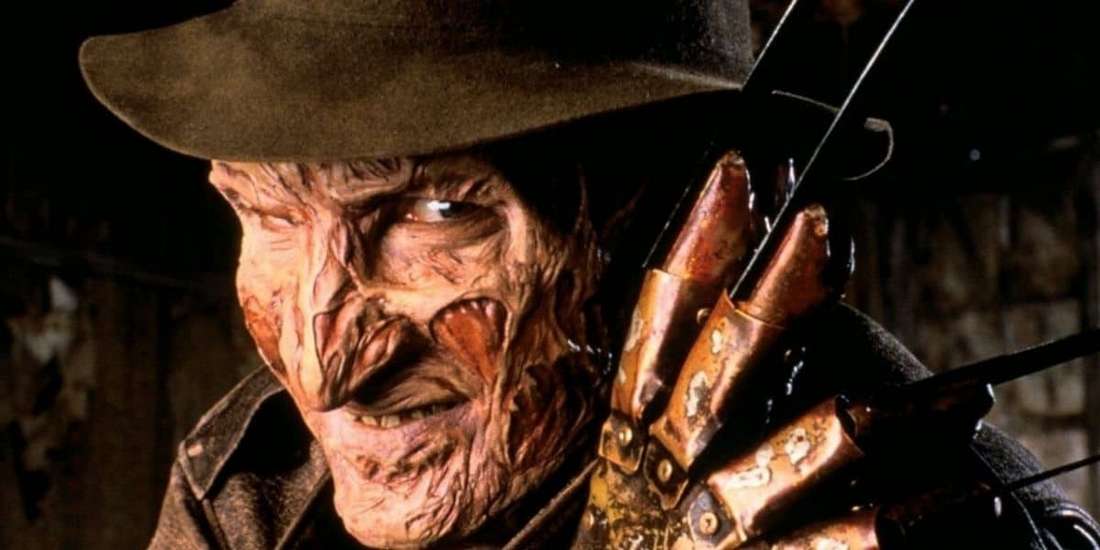
The long-dormant A Nightmare on Elm Street franchise has just been jolted awake by a surprising suggestion from one of its most celebrated creative forces. Chuck Russell, the director and co-writer of the fan-favorite sequel A Nightmare on Elm Street 3: Dream Warriors (1987), has publicly weighed in on the contentious topic of who could possibly succeed the legendary Robert Englund as the razor-gloved dream demon, Freddy Krueger. While maintaining his reverence for the original actor, Russell proposed a truly unexpected Hollywood heavyweight: The Mask and Eternal Sunshine star, Jim Carrey.
The director’s comments, made during a recent appearance on the Development Hell podcast, have instantly become a flashpoint for discussion across the horror and entertainment news spheres. Russell’s dual sentiment—a deep-seated loyalty to Englund and a belief in Carrey’s potential—highlights the creative dilemma facing New Line Cinema as they consider a new reboot.
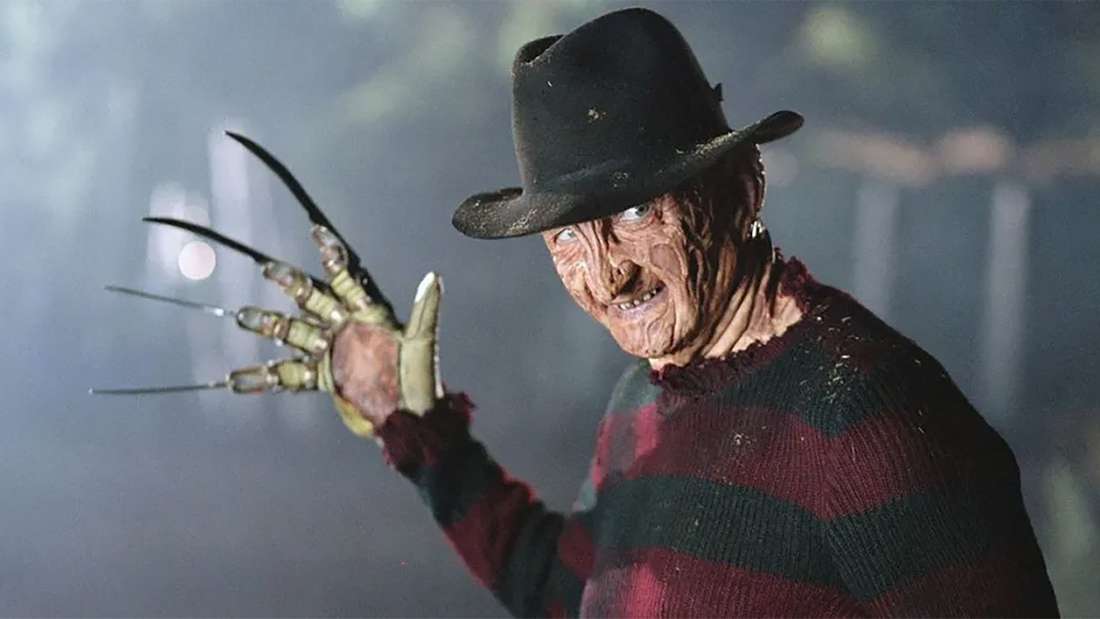 Englund is the “Only” Freddy: A Sincere Tribute to the Icon
Before entertaining any radical casting ideas, Russell made his allegiance clear. “I still think Robert for me, is the only Freddy,” he stated unequivocally. This sentiment is shared by the vast majority of horror film fans, who credit Englund with transforming a terrifying slasher villain into a pop culture icon defined by his dark wit and elaborate, darkly humorous dream kills.
Englund himself has confirmed his retirement from the physically demanding role, citing age and injuries. His last full outing was Freddy vs. Jason in 2003, with the 2010 remake attempting a darker, less charismatic portrayal by Jackie Earle Haley—a deviation largely criticized by both fans and Englund himself for stripping the character of his necessary evil personality and theatrical menace.
- The Robert Englund Legacy:
- Theatricality: Englund masterfully blended menace with Vaudeville-style dark comedy, a crucial element Russell’s Dream Warriors amplified.
- Unrepeatable: The 2010 reboot proved that trying to simply cast a serious actor in the role results in a failure to capture Freddy’s unique appeal.
The Case for Jim Carrey: A “Bold New Direction” for the Franchise
The truly newsworthy aspect of Russell’s interview was his endorsement of Jim Carrey, an actor with whom he previously collaborated on the blockbuster comedy, The Mask (1994). This prior working relationship clearly informs Russell’s conviction in Carrey’s dramatic range and physicality. Jim Carrey is a globally recognizable name with a high CPC associated with his brand, and his involvement would guarantee significant box office potential and media coverage.
“Jim, in my opinion, could almost do anything if he put his heart into it,” Russell mused. However, the director introduced a critical prerequisite for this controversial casting to ever succeed. He argued that Carrey would only be an option—and only one Russell would pursue—if the franchise took a “bold new direction” akin to the meta-narrative brilliance of Wes Craven’s New Nightmare (1994).
This is the essential takeaway for movie executives and film critics:
- Required Reinvention: A Jim Carrey-led Nightmare on Elm Street cannot be a traditional remake. It must be a metatextual or psychological leap that justifies a new actor in the role.
- Carrey’s Range: Known for The Cable Guy’s dark intensity and dramatic roles like The Truman Show, Carrey possesses the facial elasticity and physical acting prowess to bring a uniquely unnerving, high-energy terror to the character, merging comedy and horror elements that the character demands.
- The Mask Connection: Russell is keenly aware that Carrey excels at playing a character that is outwardly funny but holds a core of disturbing, unpredictable chaos—a perfect fit for the Dream Master.
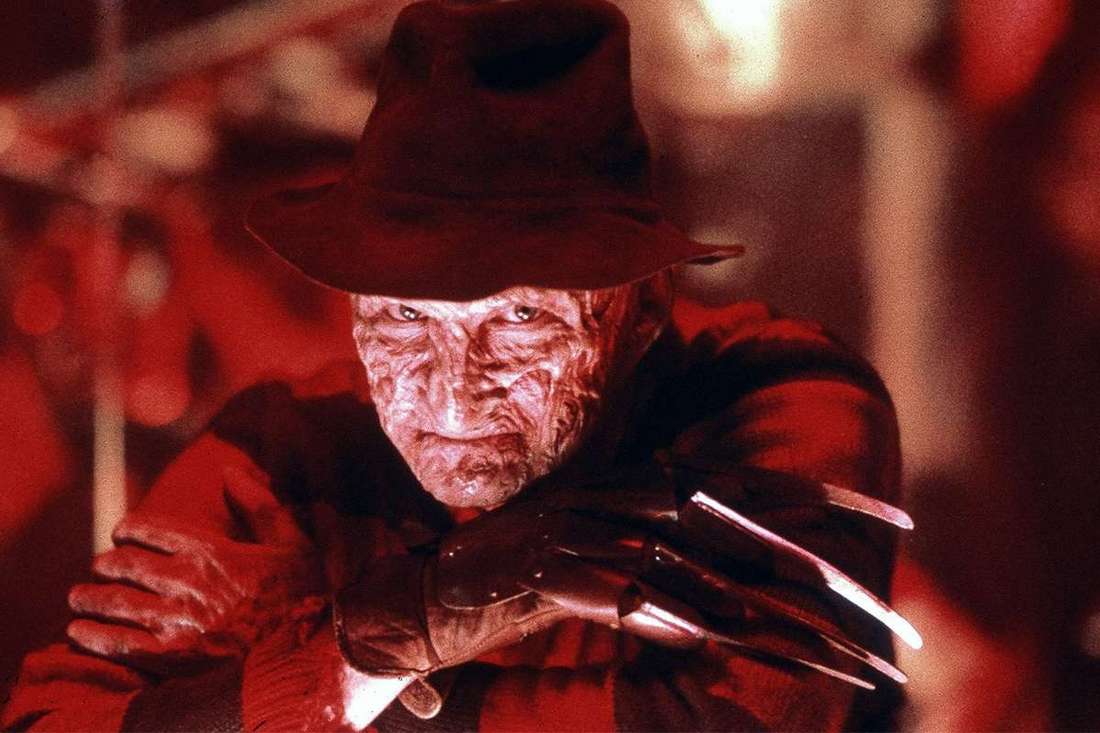 The Future of the Elm Street IP: A Market and Creative Analysis
Since the rights to the Nightmare on Elm Street franchise reverted to the estate of Wes Craven in 2019, speculation around a new film has been rampant. The financial allure of reviving one of the most bankable slasher franchises is undeniable, but the creative challenge is massive.
A new Freddy Krueger must honour the original’s charisma while offering something fresh. Casting a highly-paid, high-profile star like Carrey represents a strategy to inject massive publicity and a built-in audience, but it also carries high-risk investment potential if the creative vision fails to deliver.
The success of the franchise moving forward hinges on the following:
- Creative Integrity: The New Nightmare model suggests that a new entry must comment on the legend of Freddy Krueger, not simply re-tell the origin story.
- Englund’s Involvement: Russell’s preference is still to involve Robert Englund in some capacity, even a cameo, to provide a bridge of authenticity for long-time fans and ensure a smooth transition of the IP’s value.
- Avoiding Past Mistakes: The next iteration must move past the overly dark, overly serious tone of the 2010 remake and re-embrace the playful, sadistic, and imaginative landscape of the dream world, which Russell knows well from his tenure on Dream Warriors.
The prospect of Jim Carrey donning the burnt face and razor glove is a genuinely electric and divisive concept—exactly the kind of casting news that can fuel an entire horror movie revival. If Russell’s vision of a bold, meta-sequel comes to fruition, it could be the cinematic event that redefines the horror genre for the new decade, proving that nightmares—and Hollywood franchises—can always find a way to evolve.