
The Hand That Rocks the Cradle (2025) Remake: How the Hulu Re-Imagining Updates the Nanny-Thriller for the Modern Era










Popular Now
 Garena Free Fire: Kalahari
 Poppy Playtime
 Gacha Club
 Fortnite
 Schedule I
 Black Myth: Wukong
 Minecraft
 Call of Duty
 FIFA 23
 Candy Crush Saga
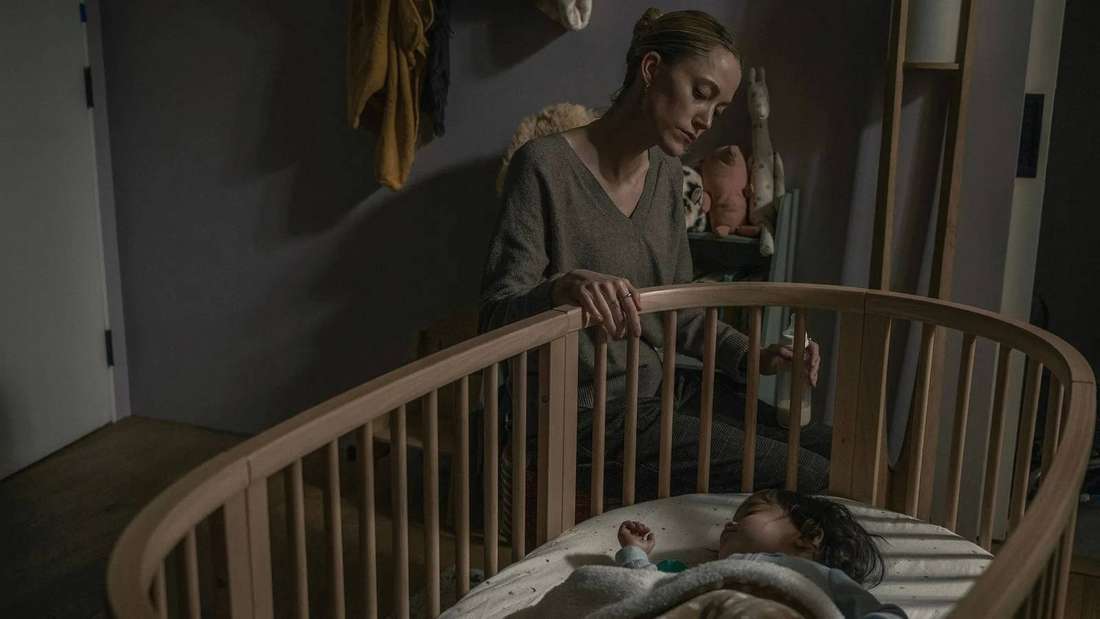
The 1992 thriller The Hand That Rocks the Cradle is a foundational piece of the ‘nanny from hell’ genre, yet the recently released 2025 re-imagining on Hulu, directed by Michelle Garza Cervera and starring Maika Monroe and Mary Elizabeth Winstead, manages to improve upon the original’s formula in several important, thematically complex ways. While critics have mixed opinions on its pacing and overall execution, there are three distinct areas where the new film demonstrates significant and modernizing improvements, moving the narrative beyond a simple cautionary tale of yuppie paranoia into a more nuanced psychological thriller.
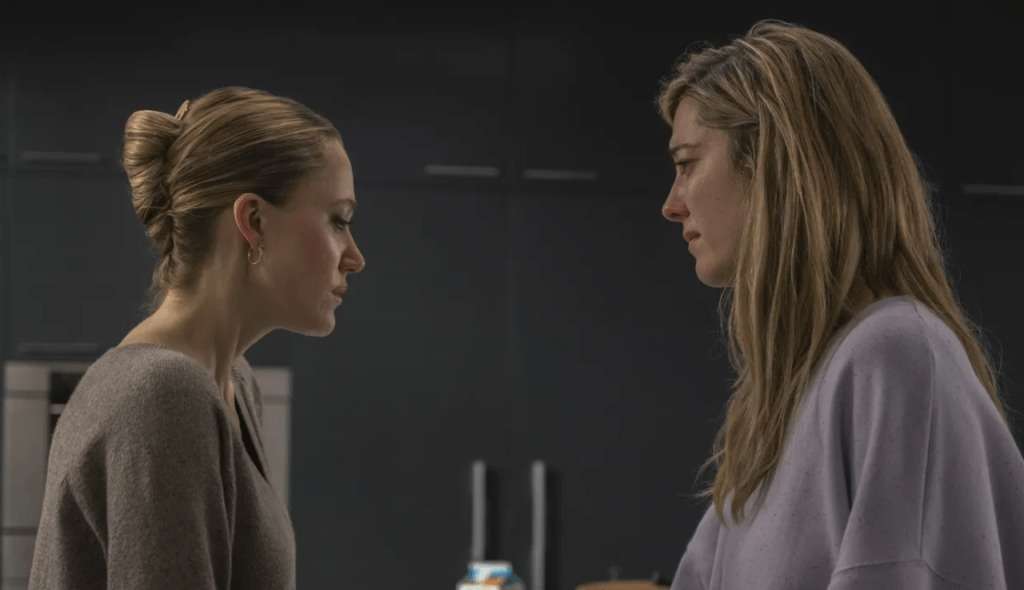 1. A Nuanced and Complex Revenge Motivation
The core of the original film relied on a clear-cut, if tragic, motive: the nanny, Mrs. Mott, blames the mother, Claire Bartel, for her husband’s suicide and her own resulting miscarriage after Claire reported the doctor’s sexual assault. The new 2025 version, with the main characters renamed Caitlin Morales (Winstead) and Polly Murphy (Monroe), pivots the revenge plot to a more modern and deeply personal source of trauma, one that is not overtly related to the nuclear family’s sanctity.
- Shifting the Blame: Instead of focusing on the death of a male character (Dr. Mott), Polly’s vengeance is rooted in a past, traumatic connection to Caitlin herself—a connection that speaks to issues of socioeconomic disparity and the long-term impact of childhood trauma. This makes the conflict less about a “stolen family” and more about two women on opposite ends of a power imbalance.
- The Greyscale Antagonist: Maika Monroe’s portrayal of Polly is less of a cartoonish villain and more of an empty vessel driven by deep-seated resentment. Her actions are malicious, but the film allows for an element of empathy, positioning her as a damaged person seeking retribution, which creates a more interesting “yin and yang” dynamic with Caitlin, the successful lawyer. This psychological depth elevates the film’s tension over the original’s straightforward melodrama.
2. Modernizing the Matriarchal Anxieties and Family Dynamic
The 1992 film was a product of its time, deeply rooted in the anxieties of the 90s middle-class nuclear family. The 2025 version skillfully updates the setting and characterization to reflect contemporary struggles, particularly those facing high-achieving women and mixed-race families in a major city like Los Angeles.
- Postpartum and Professional Stress: Mary Elizabeth Winstead’s Caitlin is presented as a Type A personality, a successful lawyer struggling to balance her career with the demands of motherhood, especially after a difficult second birth. The film explicitly introduces themes of postpartum anxiety and the professional pressure to “have it all,” allowing Polly to exploit Caitlin’s own fears about her mental stability, turning the gaslighting into a more insidious psychological attack.
- Addressing Modern Identity: The Morales family is portrayed as a mixed-race couple, with the husband Miguel (Raúl Castillo) and children being Latino. This subtle shift adds layers to the “outsider” dynamic. The new nanny’s manipulation isn’t just familial; it plays on the cultural and class differences present in modern, affluent L.A. society. Furthermore, the script hints at Caitlin’s past queer relationships, using it as another personal vulnerability that Polly can exploit, a layer of complexity absent in the original’s traditional domestic setting.
3. Elevated Thematic and Visual Execution
The original movie was a polished Hollywood thriller, but the remake, directed by Michelle Garza Cervera (known for the horror film Huesera: The Bone Woman), injects a more deliberate, artful visual style and thematic focus on female relationships and trauma.
- Visual Language: Cinematography uses a cooler, more clinical aesthetic, often emphasizing the stark isolation and wealth of the Morales’ modern home. This visual choice elevates the domestic setting, suggesting that the perfect suburban life is just a polished cage, a stark contrast to the original’s warmer, traditional aesthetic.
- Focus on Gendered Conflict: By placing two of the most popular modern “Scream Queens” (Monroe and Winstead) in the lead roles, the film frames the central conflict as a tense, psychological battle between two complicated women. The violence and manipulation are less about campy melodrama and more about the destructive ways that trauma and socioeconomic inequality can manifest as anger directed at other women. The film, at times, suggests that these women should be allies, not antagonists, a profound thematic update.
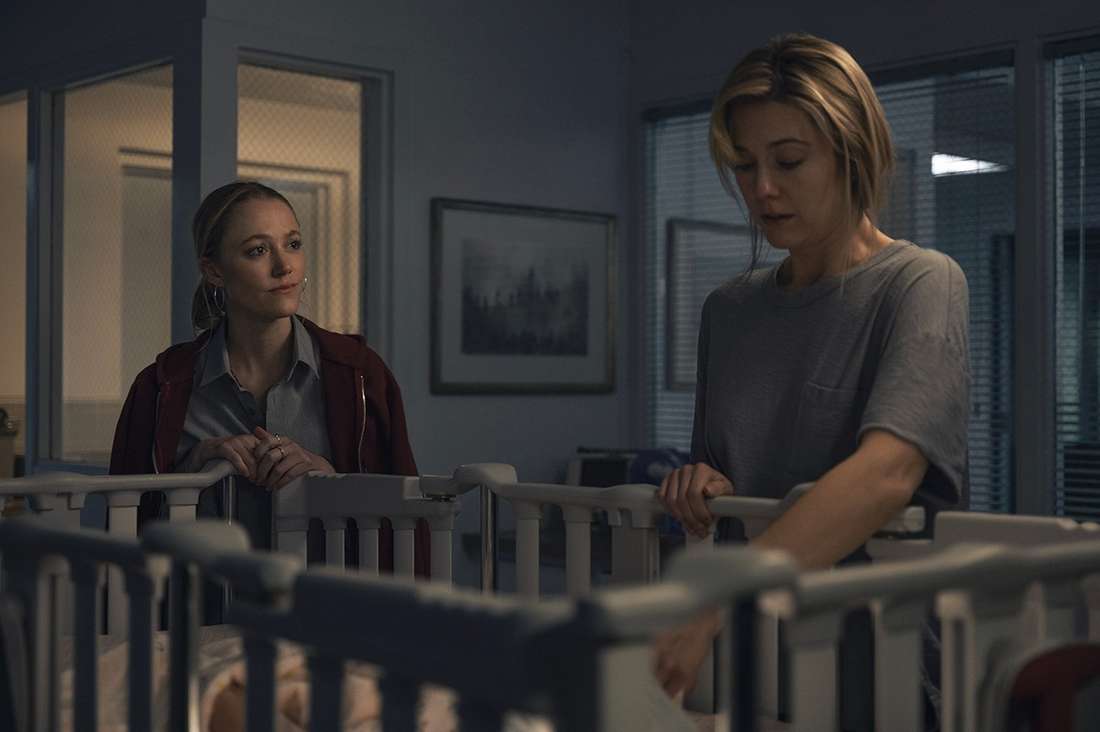 While the 2025 Hulu thriller is a slower burn and has faced criticism for a rapid, late-stage plot reveal and a polarizing musical score, its commitment to updating the revenge motive, diversifying the family dynamic, and deepening the psychological warfare solidifies it as a thoughtful and necessary re-imagining for the contemporary audience.