
The Long Silence: Oblivion Remastered Update Drought Concerns Players








Popular Now
 God of War Ragnarök
 Warframe
 Free Fire
 Auto X Drift Racing 3
 FIFA 23
 Roblox
 Poppy Playtime
 League of Legends
 Counter-Strike 2
 Call of Duty
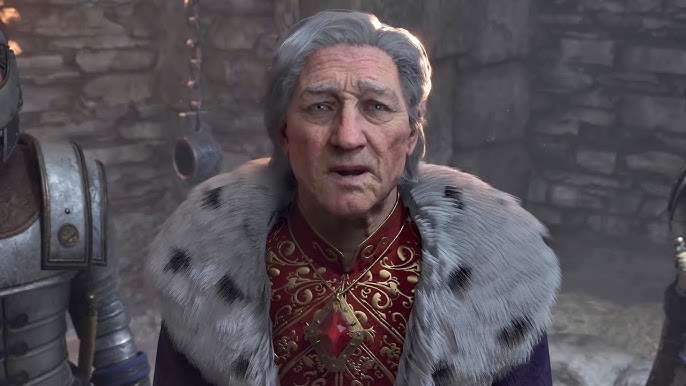
The gaming community surrounding The Elder Scrolls IV: Oblivion Remastered is currently experiencing a period of palpable anxiety. Following the initial excitement of its April 2025 release and a subsequent update in July, Bethesda Softworks and developer Virtuos have maintained a near-total silence regarding the game’s future. This four-month update drought has not gone unnoticed, particularly among the dedicated PC player base who are still grappling with significant, post-patch performance issues.
The remastered version, built in Unreal Engine 5, promised a visually stunning return to Cyrodiil. While initial reviews were mostly positive, the first major patch, Update 1.2, released on July 9, 2025, appears to have introduced a host of technical regressions. The most frequently cited problem is persistent and severe stuttering, which many users report has made the game “unplayable” in its current state. Furthermore, the update caused widespread incompatibility issues with existing player-made modifications, a crucial element for any long-term Elder Scrolls title.
 Performance Plight: Stuttering and Instability Undermine Player Experience
For a title that carries the weight of a beloved classic and seeks to capture new audiences, performance stability is paramount. The current situation, however, sees the remastered version struggling to maintain a smooth experience, even on high-end hardware. This has led to a barrage of negative user reviews on platforms like Steam, where the game’s recent rating has dipped to ‘Mixed’. Many reviews now serve as a stark warning to prospective buyers: “Wait for a fix” is the common refrain.
A recent thread on the r/oblivion subreddit, titled “Is the next Oblivion Remastered update just not coming?”, perfectly encapsulates the community’s dwindling hope. User switchkick562 wrote, “I’ve had it on the digital shelf for some time now, waiting and praying for another update with QoL and performance fixes. But it’s starting to seem like they just abandoned it.”
- Key Player Concerns:
- Persistent and unaddressed stuttering issues on PC.
- Lack of communication from Bethesda or Virtuos.
- Modding incompatibility following the last major update.
- Fear of the game being left in a poorly optimized state.
The Modding Conundrum: Community Steps in Where Official Support Lacks
A core pillar of The Elder Scrolls franchise’s longevity is its robust modding community. While Bethesda officially stated prior to release that Oblivion Remastered would not have the same level of official mod support as Skyrim Special Edition—specifically ruling out a Creation Kit—the community has already begun to adapt. Since launch, independent modders have been actively releasing fixes and quality-of-life improvements, essentially filling the void left by the official developers.
It is a remarkable, yet concerning, trend that the community is once again shouldering the responsibility of core game maintenance. The release of a new Oblivion Script Extender (OBSE64) and various performance boost mods demonstrates the dedication, but also highlights the need for official intervention. Players shouldn’t need third-party tools to achieve stable, basic performance in a recently released, full-price RPG.
 Economic Implications: High CPC Keywords and Consumer Trust
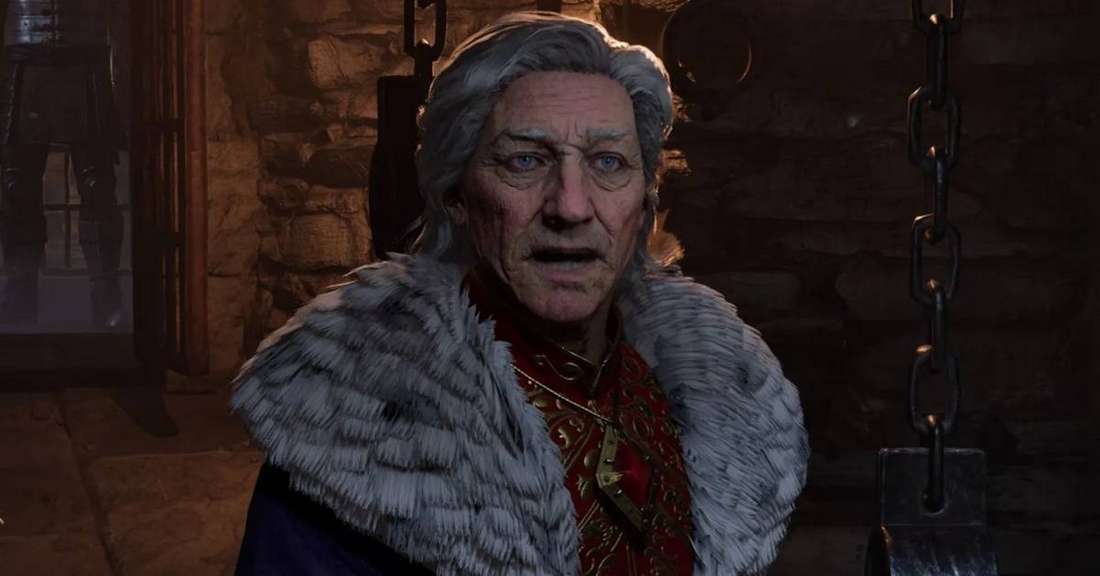
From a business standpoint, the lack of follow-up on a high-profile, high Cost-Per-Click (CPC) title like Oblivion Remastered poses risks to long-term consumer trust. Keywords like “best RPG PC 2025”, “Oblivion Remastered performance fix”, and “Bethesda new release review” all carry significant search volume and commercial value. When a product underperforms post-launch and receives no visible support, the potential for high-value organic traffic converts into negative sentiment, damaging the brand’s reputation for future major releases, such as the highly anticipated The Elder Scrolls VI.
Strong communication and timely patches are not just technical necessities; they are critical elements of customer service in the modern AAA gaming market. Ignoring a widespread performance issue for months can signal a shift in development focus, leading many to conclude that the game has been prematurely sidelined.
Future Outlook: Will the Gates of Oblivion Reopen for a Fix?
As of late October 2025, neither Bethesda nor Virtuos has issued an official statement addressing the performance complaints or providing a roadmap for a new patch. While the studio has not formally announced the end of post-launch support, the extended silence is statistically unusual for a title of this magnitude. The hope remains that a fix is being diligently worked on behind the scenes, potentially one that tackles the core integration issues with Unreal Engine 5.
The community is now in a waiting game, a cycle of refreshing news feeds and checking the Steam update log. The fate of Oblivion Remastered currently hangs in the balance: will it be remembered as a successful modernization of a classic, or as a cautionary tale of a release marred by technical shortcomings and developer silence? Only a new patch—and clear communication—can assuage the growing fears of abandonment and restore consumer confidence in one of gaming’s most celebrated franchises.
(Source: Community Reports via Steam and Reddit, News Aggregates on Oblivion Remastered Status)
- Key Takeaways for Gamers:
- Exercise prudence before a PC purchase.
- Monitor for official patch announcements (Update 1.3 or higher).
- The dedicated modding scene is a valuable resource for interim fixes.
- Community sentiment is currently .
Strong call for a development update is now the prevailing sentiment across all fan channels.