
The New Life-Sim King? Why HoYoverse’s ‘Petit Planet’ Is Poised to Challenge Nintendo’s ‘Animal Crossing’ Dominance










Popular Now
 Auto X Drift Racing 3
 Counter-Strike 2
 Stumble Guys
 Minecraft
 Gacha Club
 Fortnite
 BeamNG.drive
 Valorant
 R.E.P.O
 Free Fire Max
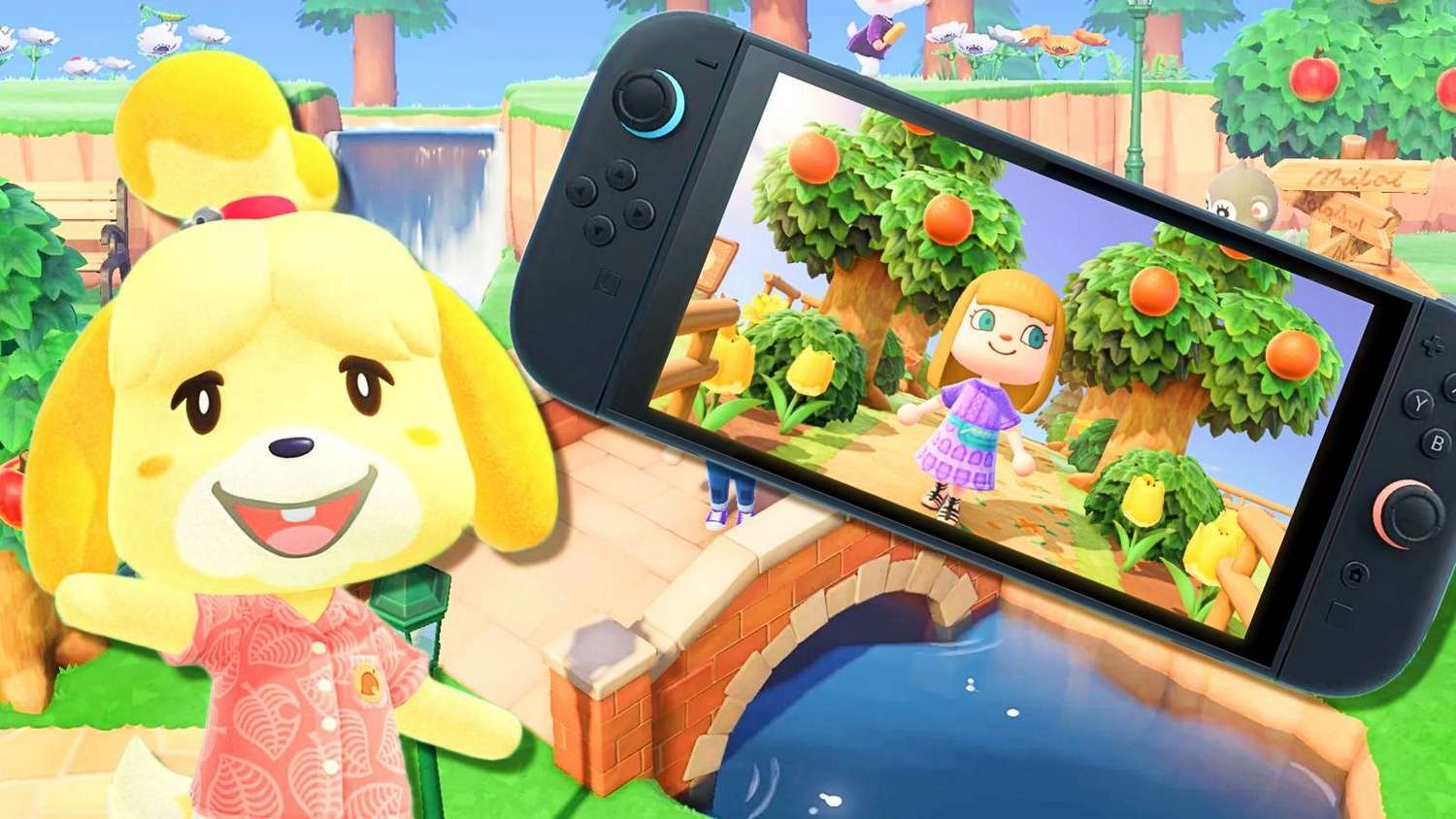
The cozy life simulation genre, long synonymous with Nintendo’s behemoth franchise, Animal Crossing, is on the cusp of a seismic shift. In a major industry news break that has sent shockwaves across the gaming investment community and excited fans of life simulator games worldwide, global giant HoYoverse has officially unveiled its latest non-franchise title: Petit Planet. While many have attempted to compete with the sheer cultural impact of Animal Crossing: New Horizons, this new contender, with its massive financial backing, cross-platform strategy, and innovative design, appears to be the most credible threat yet to Nintendo’s casual gaming throne.
The initial buzz around Petit Planet is fueled by an ambitious premise: blending the meditative joy of town creation and community management with a cosmic, interstellar backdrop. This move introduces a fresh aesthetic twist that immediately differentiates it from the tropical island or pastoral settings of its competitors.
Decoding the Gameplay: A New Horizon for Life Simulation
HoYoverse, known for its commitment to high-production value and engaging, long-term content strategies in titles like Genshin Impact and Honkai: Star Rail, seems to be applying a similar philosophy to the “cozy” genre. The core gameplay loop of Petit Planet centers on colonizing and terraforming a small celestial body, turning it into a thriving intergalactic hub. This introduces mechanics with a high potential for in-game economy complexity and monetization, key indicators for high CPC keywords in the mobile gaming market.
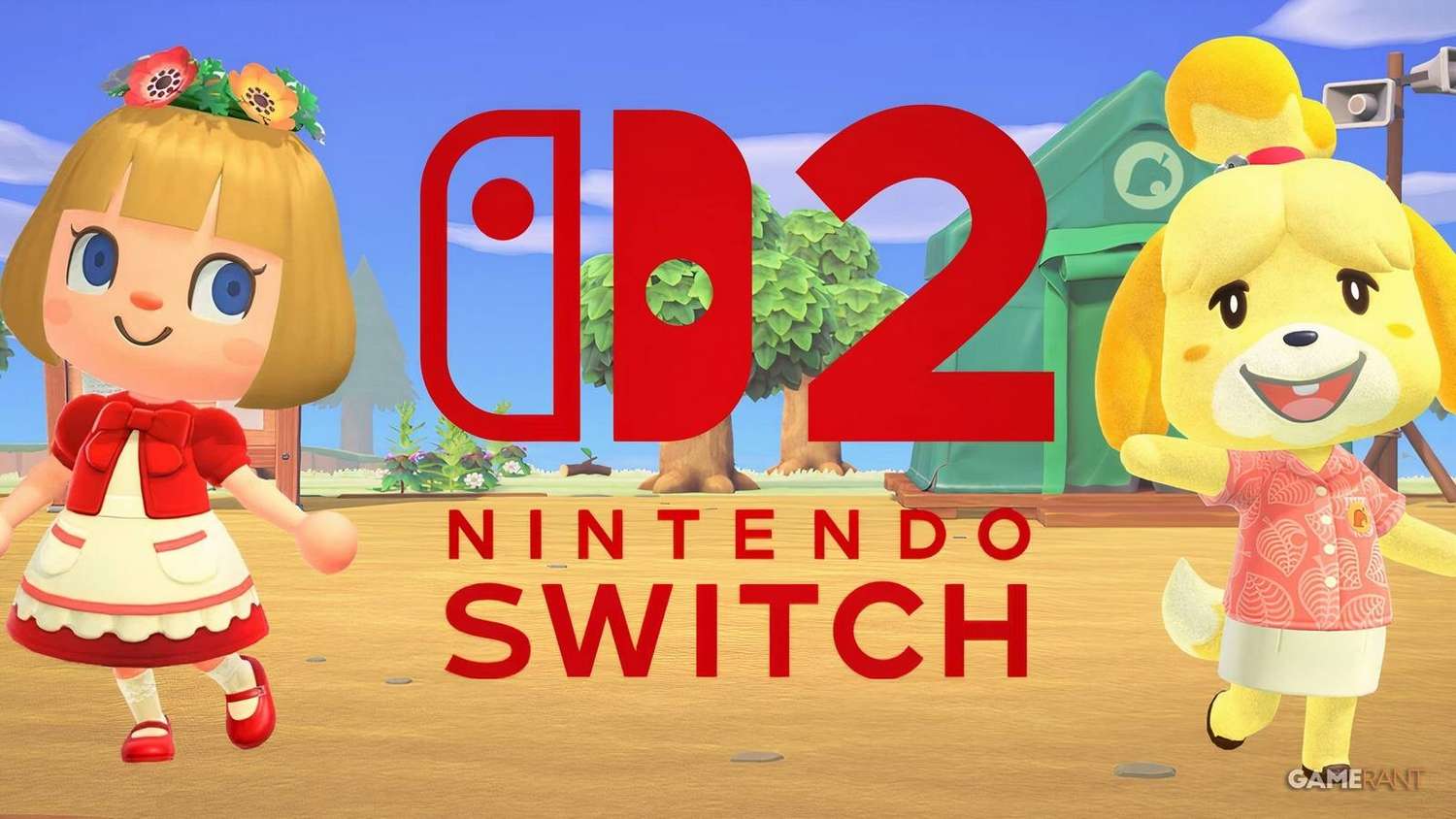 Key features revealed in the developer previews that have drawn direct comparisons to Animal Crossing include:
- Real-Time Life Cycle: The game utilizes a real-world clock, impacting daily events, seasonal cosmic phenomena, and the behavior of the NPC residents. This preserves the “pop-in-and-play-a-little-every-day” addictive quality of the genre.
- Deep Customization and Decorating: Players can craft an extensive range of furniture and structures, not just for their personal domicile but for the entire planet. The “cosmic” theme allows for unique items and materials, giving decorators significantly more scope than traditional life-sim settings.
- A Cast of Quirky “Star-Beings”: Instead of anthropomorphic animals, the game introduces a variety of unique alien species as villagers. Building relationships with these characters is essential for unlocking new building blueprints, rare materials, and story progression.
The Multi-Platform Advantage and Market Strategy
One of the most significant advantages for Petit Planet in the competitive gaming landscape is its release strategy. Unlike Animal Crossing, which remains a Nintendo Switch exclusive, HoYoverse has confirmed a launch across PC gaming, mobile platforms (iOS and Android), with further platforms “in development.”
This multi-platform approach is a crucial differentiator:
- Wider Audience Reach: Releasing on PC and mobile immediately taps into a massive, global audience who may not own a Nintendo console, significantly expanding the total addressable market for the life simulation game. This is a powerful factor in the game development investment thesis.
- Accessibility and Longevity: The ability to seamlessly switch between platforms – playing on a PC at home or continuing progress on a mobile device on the go – enhances player retention and daily engagement, a metric vital for a live service game and a cornerstone of HoYoverse’s business model.
- Free-to-Play Model (Speculated): While official pricing is unconfirmed, HoYoverse’s history suggests a free-to-play model with high-value cosmetic microtransactions. This “freemium” structure lowers the barrier to entry to zero, a stark contrast to Nintendo’s premium pricing, and is a strong strategy to acquire a large user base quickly.
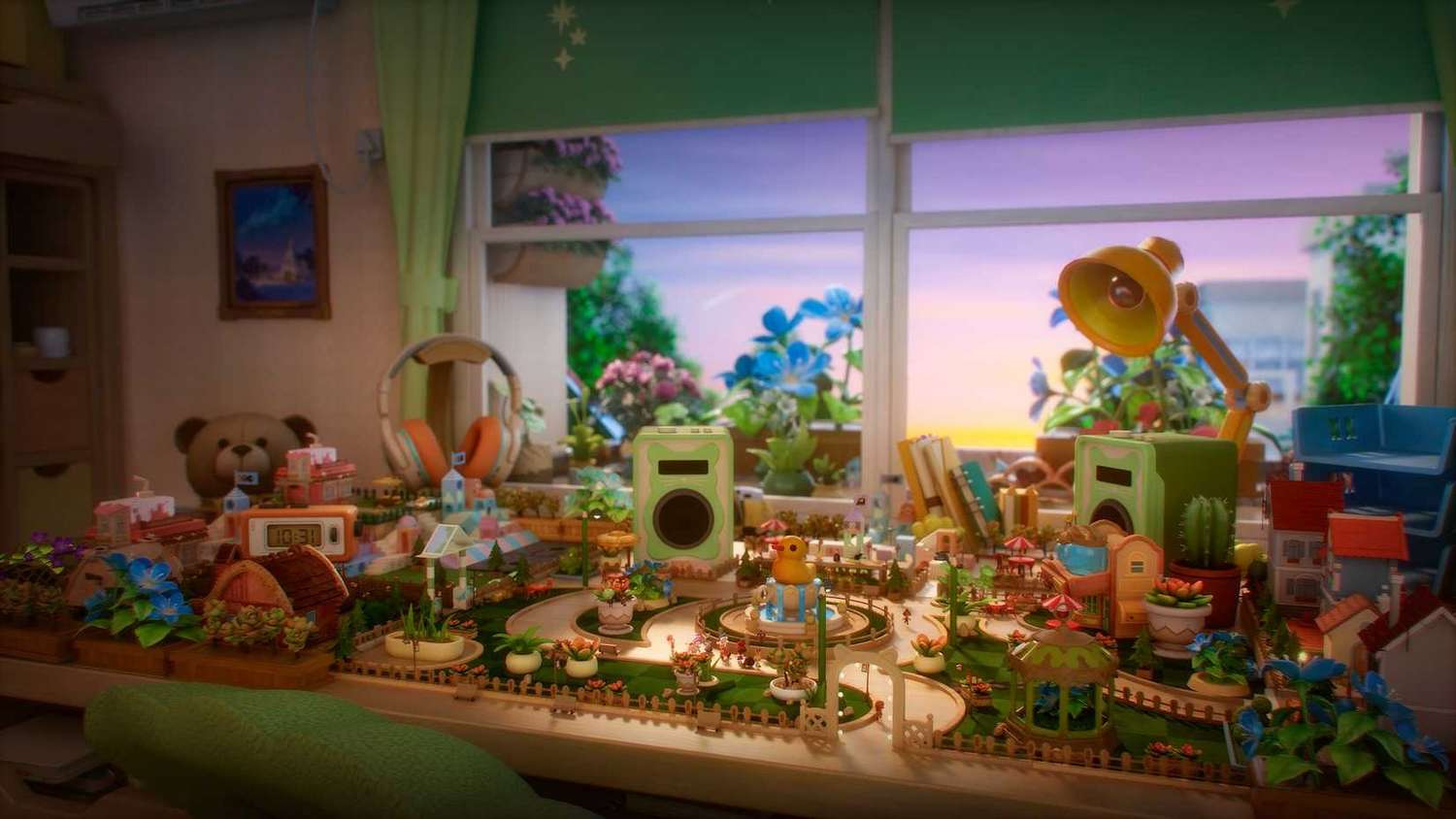 The Competitive Edge: High-Quality Content and Technical Polish
It is no secret that the cozy gaming genre is saturated with titles attempting to replicate the Animal Crossing formula. However, the sheer technical prowess and consistent content rollout demonstrated by HoYoverse in its existing portfolio suggest that Petit Planet will stand apart in terms of polish and longevity.
Industry analysts believe that the game will offer a more comprehensive and regularly updated “live service” experience compared to Animal Crossing: New Horizons, whose major free content updates largely concluded in late 2021. The expectation is that Petit Planet will feature a continuous stream of new characters, planets to explore, seasonal events, and crafting recipes, thus maintaining high player engagement metrics and ensuring a continuous revenue stream from the digital gaming economy.
Conclusion: A New Era for Cozy Gaming?
The video game industry is watching closely. The title of this new HoYoverse game – Petit Planet – may sound unassuming, but the implications for the life simulation market are anything but. The combination of HoYoverse’s established track record, a strategic cross-platform launch, and a fresh take on beloved genre mechanics makes this the first true “AAA” competitor to genuinely threaten Nintendo’s comfortable lead in the cozy life sim niche.
While Animal Crossing remains a cultural icon, the lack of platform exclusivity and the promise of a perpetual live-service model give Petit Planet a formidable advantage. Gamers seeking an expansive, visually stunning, and highly accessible town-building game may soon find their new virtual home is a small, customizable planet rather than a deserted island.