
The Shifting Tides: Has a New Generation Manga Truly Dethroned Boruto in the Entertainment Landscape?










Popular Now
 Sonic the Hedgehog™ Classic
 CarX Street
 Free Fire
 Garena Free Fire: Kalahari
 BeamNG.drive
 Gacha Club
 Free Fire Max
 Auto X Drift Racing 3
 Roblox
 Stumble Guys

In the fiercely competitive realm of Japanese manga and anime, legacy franchises often face the monumental challenge of maintaining their relevance against a surging tide of fresh, innovative narratives. Few series embody this generational struggle more distinctly than Boruto: Naruto Next Generations. As the direct sequel to the iconic Naruto, Boruto inherited a colossal fanbase and immense expectations. However, recent years have witnessed an undeniable shift, with a new wave of manga dominating headlines, sales charts, and critical discussions. The burning question on every fan’s mind, and a significant point of discussion in the broader entertainment industry, is whether these new gen manga have indeed surpassed Boruto in popularity, influence, and overall impact.
Boruto’s Legacy and the Weight of Expectation
Launched in 2016, Boruto was always destined to walk a challenging path. Following in the footsteps of a global phenomenon like Naruto meant it would be under intense scrutiny. Initially penned by Ukyō Kodachi and illustrated by Mikio Ikemoto, under the supervision of original creator Masashi Kishimoto (who later took over writing duties), Boruto aimed to evolve the ninja world for a new era. It introduced a new protagonist, Naruto’s son, tackling themes of technological advancement, a changing shinobi world, and the perennial struggle of children to forge their own paths outside their parents’ shadows. Its anime adaptation further amplified its reach, becoming a staple for many viewers.
However, despite its strong foundation, Boruto has faced a mixed reception. While dedicated fans appreciate its continuation of the universe and development of new characters, criticisms have often revolved around pacing, power scaling, and the perceived dilution of some core themes that made Naruto so beloved. This fluctuating reception has created an opening for other series to capture the imagination of both long-time manga enthusiasts and new readers entering the vibrant world of Japanese storytelling.
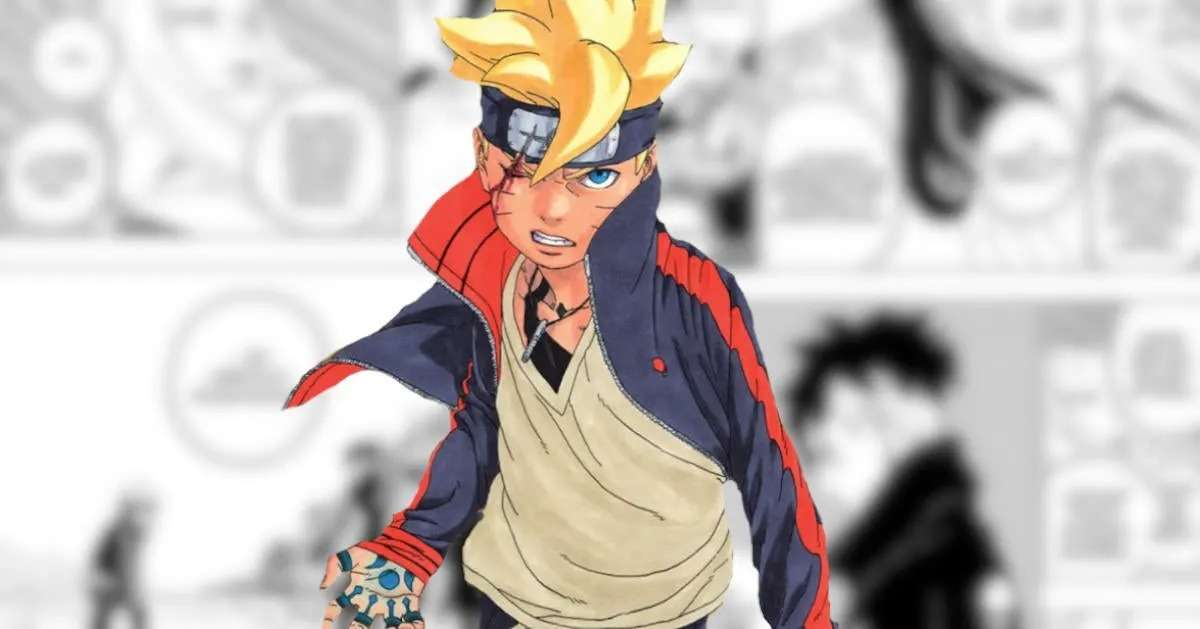 The Ascendance of Next-Gen Manga: A New Era of Storytelling
The past half-decade has been a golden age for manga, giving rise to several exceptionally popular and critically acclaimed titles that have fundamentally reshaped the landscape. Series like Jujutsu Kaisen, Chainsaw Man, Spy x Family, and more recently, Oshi no Ko, have not only achieved stratospheric success but have also introduced diverse narratives and artistic styles that resonate deeply with contemporary audiences. These titles are often cited as prime examples of best shonen manga, redefining genre conventions and elevating storytelling standards.
- Jujutsu Kaisen: Gege Akutami’s dark fantasy series burst onto the scene with its intricate power system, compelling characters, and unflinching brutality. Its anime adaptation by MAPPA studios was a monumental success, translating into colossal manga sales and widespread global recognition. The series masterfully blends action with existential dread, appealing to a mature audience.
- Chainsaw Man: Tatsuki Fujimoto’s irreverent, hyper-violent, and surprisingly heartfelt narrative about Denji and his devil dog Pochita became an instant cult classic. Its unique blend of dark humor, horror, and profound character moments, coupled with a highly anticipated anime, propelled it to the forefront of modern manga. It consistently trends, showcasing powerful fan engagement.
- Spy x Family: Tatsuya Endo’s charming espionage comedy offers a refreshing counterpoint to the action-heavy shonen. Focusing on a makeshift family of a spy, an assassin, and a telepath, its heartwarming humor and engaging character dynamics have captivated a broad demographic, proving that diverse storytelling can achieve massive commercial success and become a top franchise value.
- Oshi no Ko: Akasaka Aka and Yokoyari Mengo’s intricate exploration of the Japanese idol industry, fame, and revenge took the world by storm with its groundbreaking themes and unexpected twists. Its anime adaptation generated immense buzz, driving significant interest and further demonstrating the appetite for genre-bending narratives and deep character studies.
Factors Driving the New Guard’s Success
Several elements contribute to the overwhelming success of these next-gen IP compared to established series like Boruto:
- Innovation and Originality: These newer manga often push boundaries in terms of plot, character depth, and thematic complexity. They aren’t afraid to tackle darker or more nuanced subjects, appealing to a maturing manga readership.
- Artistic Vision: Each of these series boasts distinctive art styles that stand out. From Akutami’s dynamic action sequences to Fujimoto’s gritty aesthetic and Endo’s clean, expressive lines, the visual appeal is a major draw.
- Anime Adaptations: The quality of anime adaptations has become a crucial catalyst for manga sales. Studios like MAPPA and WIT Studio have delivered visually stunning and narratively faithful adaptations that amplify the manga’s appeal exponentially, generating huge streaming performance and converting anime-only viewers into manga readers.
- Accessibility and Digital Readership: The rise of digital platforms has made it easier than ever for new series to gain international traction quickly, fostering rapid community growth and discussion. This directly contributes to robust entertainment revenue for publishers.
- Social Media Buzz and Fan Engagement: These series are highly discussable, generating significant buzz on social media platforms, forums, and fan communities. This organic marketing and continuous dialogue sustain interest and drive new readership.
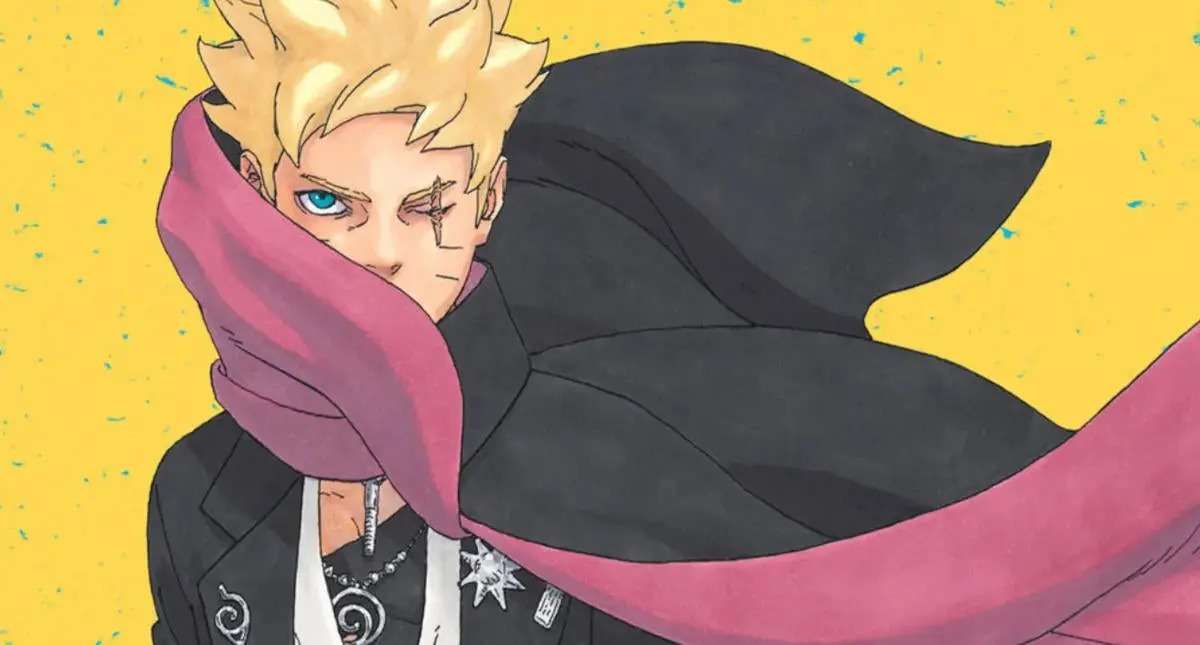 Boruto’s Position and Future Prospects
While the momentum of new gen manga is undeniable, it’s crucial not to dismiss Boruto’s continued presence and influence. It still commands a significant audience, particularly through its anime and ongoing manga serialization. The recent